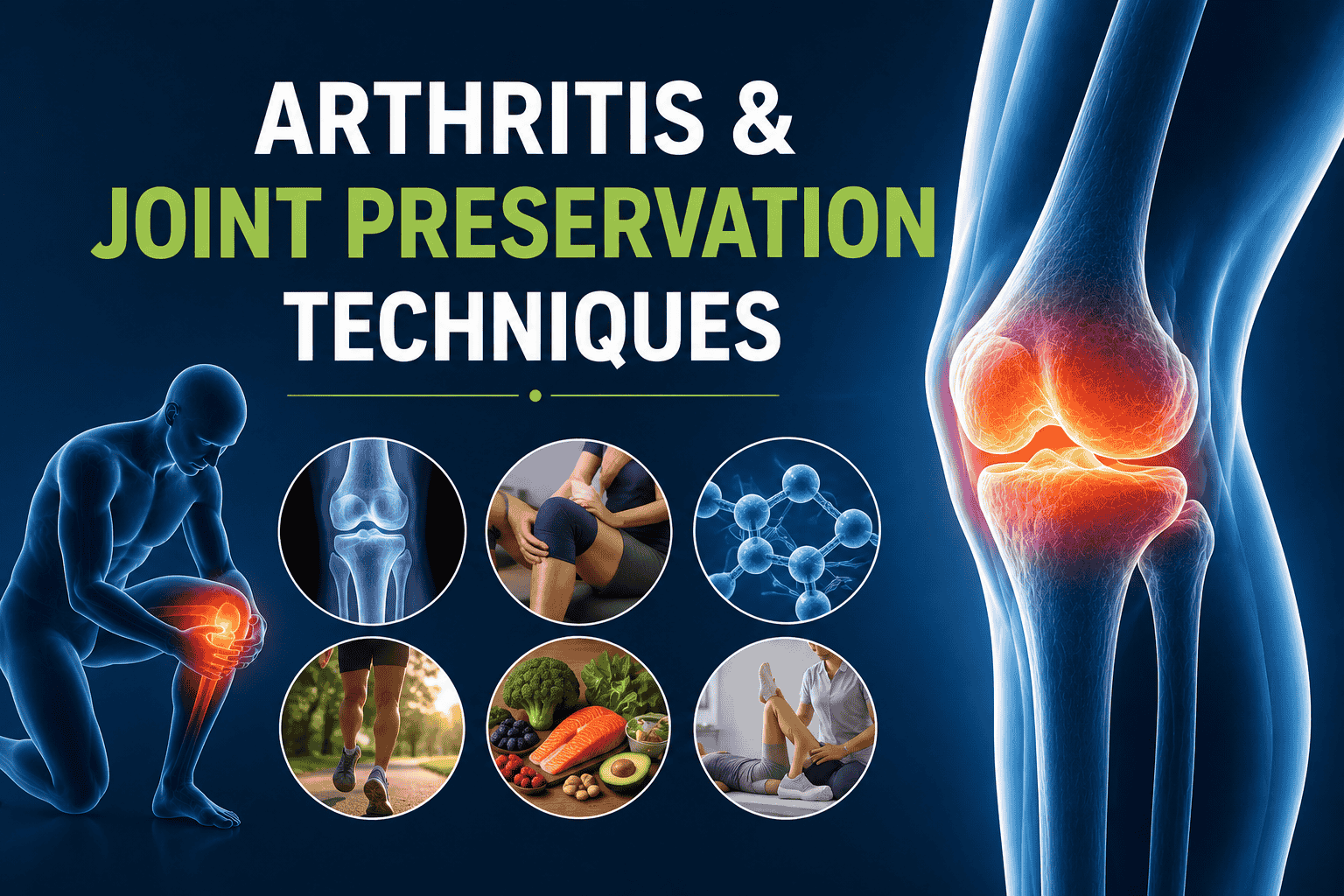
Arthritis & Joint Preservation Techniques
Arthritis & Joint Preservation Techniques in Bangalore
Quick Appointment
Preserving Natural Joints, Maintaining Movement and Supporting Long-Term Function
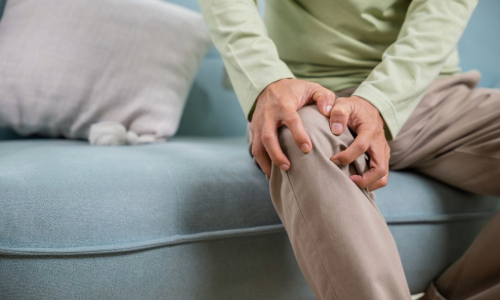
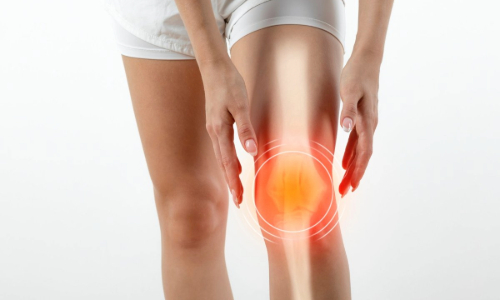
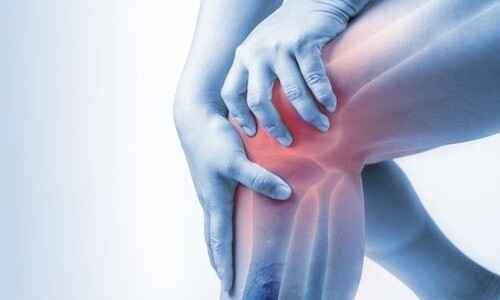
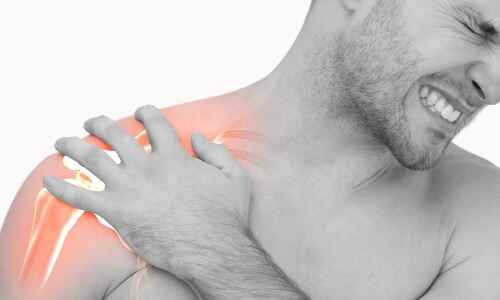
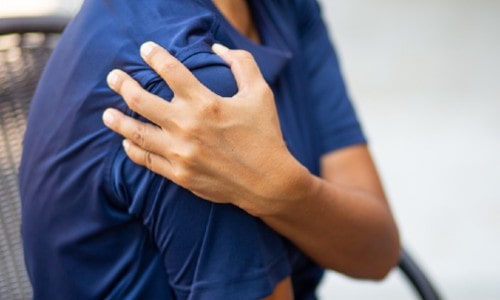
Arthritis can progressively affect the structures within a joint, leading to pain, stiffness, swelling, reduced movement and difficulty with everyday activities. Early and appropriate evaluation can help identify the cause of symptoms and determine whether conservative care, joint-preserving treatment or surgical intervention may be appropriate.
Arthritis and joint preservation is not about using one treatment for every patient. It involves understanding the condition of the joint, identifying factors contributing to pain and dysfunction, and selecting treatment according to the patient's age, activity level, structural findings and functional requirements.
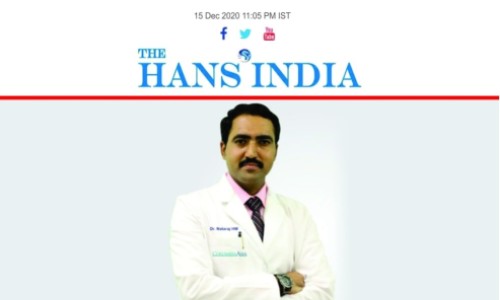
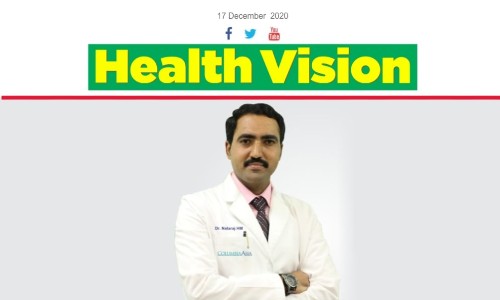
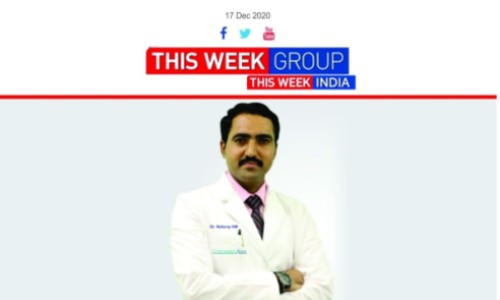
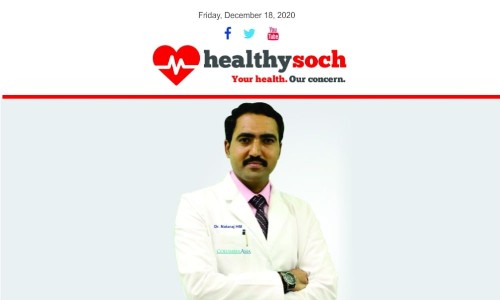
At Knee & Shoulder Clinic in Bangalore, Dr. Nataraj H M provides diagnosis-led orthopaedic care for knee and shoulder conditions. His clinical practice includes knee arthritis and replacement surgery, knee arthroscopy, cartilage lesions, meniscus tears, ligament injuries and joint preservation procedures. The clinic also describes his experience in nonsurgical orthopaedic management and procedures intended to prevent or delay joint replacement when clinically appropriate.
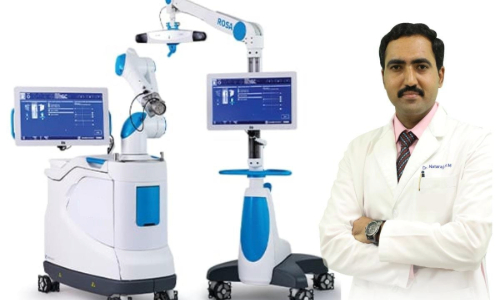
Dr. Nataraj H M has 17 years of experience in orthopaedics and is described by the clinic as a Knee & Shoulder Specialist in Bangalore. His qualifications include MBBS from Kempegowda Institute of Medical Sciences, MS in Orthopedics from K S H Medical Academy, MCH Ortho, fellowship training in advanced knee and shoulder surgery in Italy, fellowship training in arthroscopy and sports medicine through ISAKOS, and fellowship training in computer-assisted joint replacement.
What Is Arthritis?
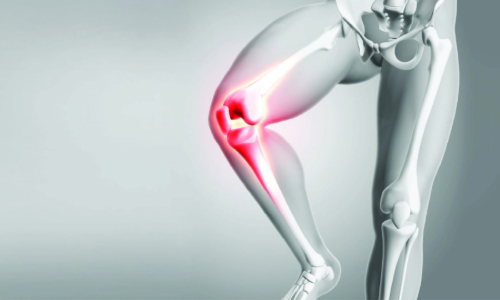
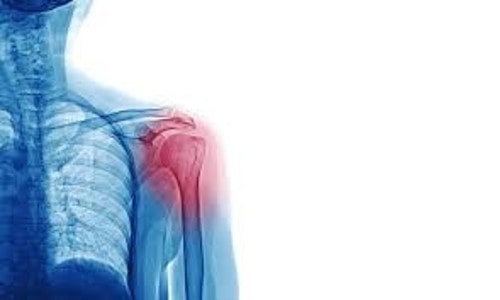
Arthritis describes a group of conditions that affect the joints. Osteoarthritis is one of the most common degenerative joint conditions and can involve progressive changes to cartilage, bone and other structures within the joint.
Depending on the condition, arthritis may affect:
- Knees
- Hips
- Shoulders
- Ankles
- Hands and fingers
- Elbows
- Other frequently used or weight-bearing joints
The severity of symptoms does not always correspond directly to the amount of structural change seen on imaging. This is why an appropriate clinical assessment is important before selecting treatment.
Common Symptoms of Arthritis
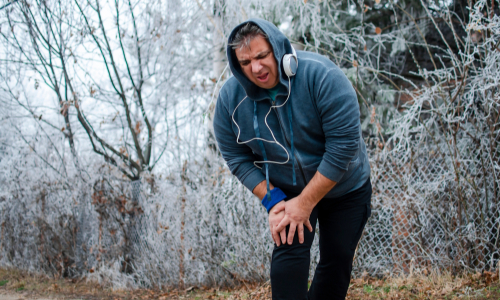
People with arthritis may experience:
- Pain while walking or exercising
- Stiffness after waking or prolonged inactivity
- Joint swelling
- Reduced range of movement
- Difficulty climbing stairs
- Difficulty standing or walking for long periods
- Reduced ability to participate in sports
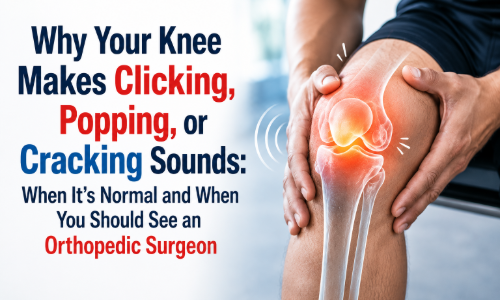
- Grinding, clicking or other joint sensations
- Difficulty performing routine activities
Persistent or progressively worsening joint symptoms should be evaluated rather than automatically attributed to ageing.
What Does Joint Preservation Mean?
Joint preservation refers to treatment strategies intended to maintain the function of a patient's natural joint for as long as reasonably possible.
The goal is not simply to reduce pain. A joint-preservation plan may also address factors such as:
- Abnormal alignment
- Muscle weakness
- Cartilage damage
- Meniscus injuries
- Ligament instability
- Activity-related stress
- Excess mechanical loading
- Reduced joint mobility
Depending on the diagnosis, joint preservation treatment in Bangalore may include rehabilitation, exercise therapy, weight management, activity modification, medication, selected injections, minimally invasive procedures or joint-preserving surgery.
Importantly, joint preservation does not mean avoiding joint replacement at all costs. When advanced joint damage causes substantial pain and functional limitation, replacement surgery may ultimately provide a more appropriate solution.
How Is Arthritis Evaluated?
A reliable knee arthritis treatment plan in Bangalore begins with an accurate diagnosis.
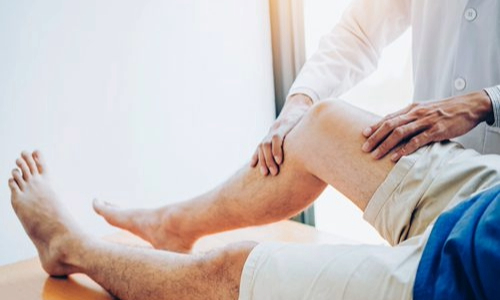
Dr. Nataraj H M may consider several aspects of the patient's condition.
Medical History
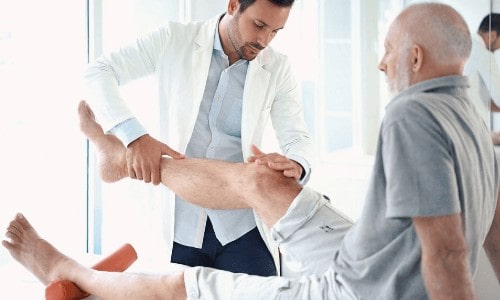
The assessment may include the duration of symptoms, previous injuries, previous procedures, medications, activity levels and previous treatment responses.
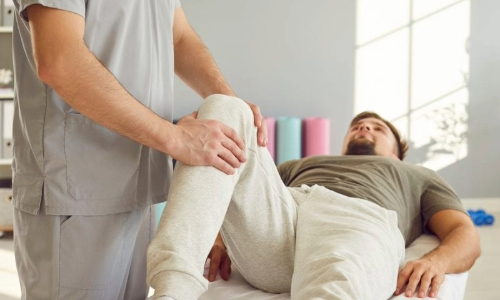
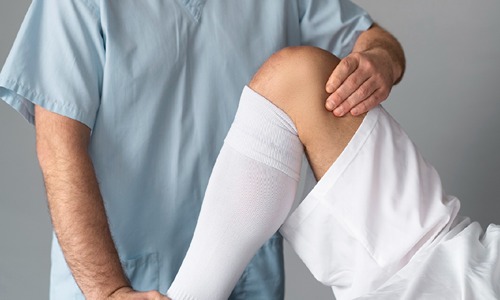
Physical Examination
The affected joint may be assessed for:
- Range of movement
- Stability
- Tenderness
- Muscle strength
- Alignment
- Swelling
- Functional limitations
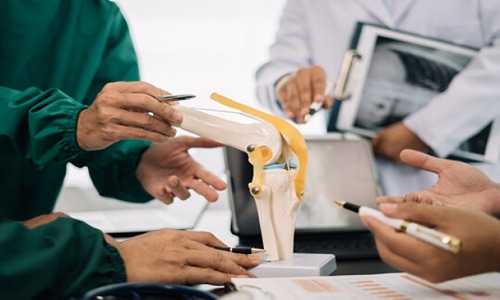
Imaging
Depending on the suspected condition, X-rays, MRI, ultrasound or other imaging may be recommended.
Functional Requirements
Treatment decisions may also consider occupation, walking requirements, exercise, sports participation and the patient's personal goals.
This combination of clinical assessment and imaging helps distinguish arthritis from other causes of joint pain, including cartilage lesions, meniscus injuries and ligament-related problems.
Non-Surgical Joint Preservation
Many patients can initially be managed without surgery, particularly when symptoms are mild to moderate or when specific modifiable factors are contributing to joint stress.
Exercise and Physiotherapy
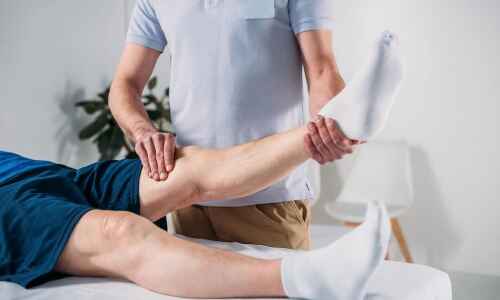
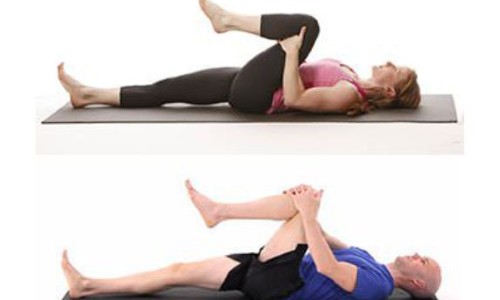
Appropriately selected exercise can support muscle strength, joint stability, mobility and functional capacity.
A rehabilitation programme may be adapted according to the affected joint, physical ability and treatment objectives.
Weight Management
For weight-bearing joints such as the knee and hip, maintaining a healthy weight may reduce mechanical loading and support mobility.
Activity Modification
Activities that repeatedly aggravate symptoms may need to be modified. This does not necessarily mean stopping physical activity altogether. Lower-impact activities may be appropriate for some patients.
Medication
Medication may be considered for symptom management depending on the diagnosis and the patient's medical circumstances. It should be used under appropriate medical guidance.
Bracing and Supportive Devices
Selected patients may benefit from braces, orthotics, walking aids or other supportive measures depending on joint stability, alignment and functional needs.
Injection-Based Options for Selected Patients
Some patients may be considered for injection treatment when symptoms continue despite appropriate conservative care.
Depending on the condition, options can include:
- Corticosteroid injections
- Hyaluronic acid injections in selected cases
- PRP and other orthobiological approaches where clinically appropriate
Injection treatment should not be considered automatically for every arthritis patient. The expected benefit depends on the diagnosis, stage of joint disease and individual circumstances.
Joint-Preserving Surgical Techniques
When a structural problem is contributing to joint dysfunction, selected surgical procedures may be considered with the objective of preserving useful joint function.
The clinic's orthopaedic services specifically include procedures to prevent knee replacement, knee arthroscopy, cartilage lesion treatment, meniscus tear treatment and ligament-related procedures.
Knee Arthroscopy
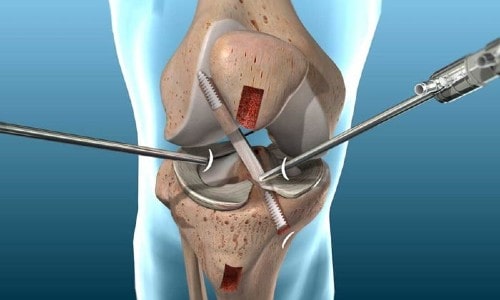
Knee arthroscopy is a minimally invasive procedure performed through small incisions using a camera and specialised instruments.
Depending on the diagnosis, arthroscopy may be used to evaluate or treat selected problems involving structures inside the knee.
Cartilage-Focused Procedures
A focal cartilage defect is different from widespread advanced arthritis.
Selected cartilage problems may have preservation-oriented treatment options depending on:
- Size of the defect
- Location
- Depth
- Patient age
- Activity requirements
- Condition of the remaining joint
The clinic lists cartilage lesions among its knee and lower-limb conditions.
Meniscus Preservation
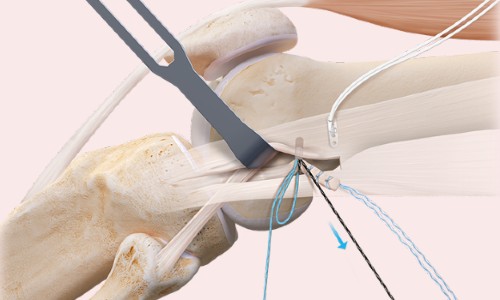
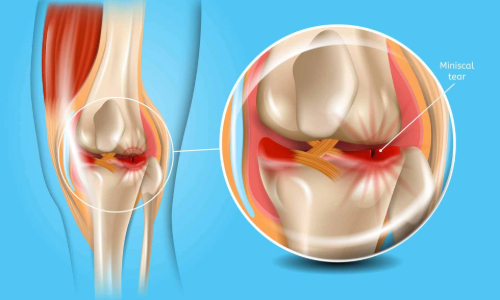
The meniscus contributes to load distribution and knee function. In appropriately selected injuries, repair or preservation may be considered rather than automatically removing damaged tissue.
Dr. Nataraj H M's website highlights his experience with arthroscopic meniscal repair and lists meniscus tear treatment among his knee services.
Ligament Preservation and Reconstruction
Ligament instability can affect knee mechanics and may contribute to further joint problems.
Depending on the injury, patient age, activity requirements and joint condition, treatment may involve rehabilitation, repair or reconstruction.
The clinic lists ACL/PCL ligament tears, multiligament tears and ligament reconstruction among its orthopaedic services.
Corrective Osteotomy
In selected patients with abnormal alignment, an osteotomy may be considered to redistribute load across the knee.
Whether this is suitable depends on factors such as alignment, cartilage condition, age, activity level and the overall health of the joint.
Arthritis Treatment According to Disease Stage
Early Arthritis
For patients with early degenerative changes, management may focus on:
- Strengthening
- Physiotherapy
- Weight management
- Activity modification
- Improving movement patterns
- Managing contributing factors
The aim is to maintain function while reducing avoidable stress on the joint.
Moderate Arthritis
Moderate disease may require a combination of rehabilitation, medication, selected injections and appropriate procedures depending on symptoms and structural findings.
Advanced Arthritis
When extensive joint damage results in persistent pain and significant functional limitations despite appropriate non-surgical treatment, joint replacement may be considered.
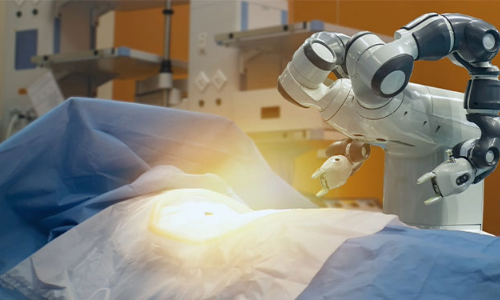
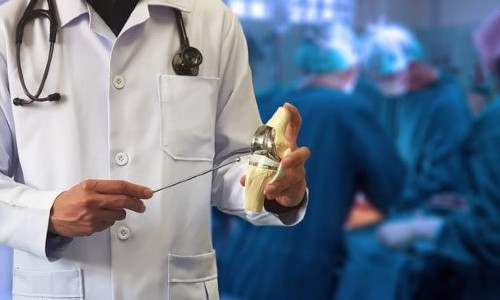
The clinic provides knee replacement surgery in Bangalore, including computer-assisted knee replacement and different forms of knee replacement according to the clinical requirement.
The purpose of joint preservation is therefore not to postpone necessary surgery indefinitely. Instead, the objective is to use an appropriate treatment at the appropriate stage.
Can Joint Preservation Help Delay Knee Replacement?
For carefully selected patients, treating specific structural problems and optimising non-surgical care may help preserve function and potentially delay the need for knee replacement.
However, there is no treatment that can guarantee that arthritis will not progress or that replacement surgery will never become necessary.
Patients searching for procedures to prevent knee replacement in Bangalore should first undergo a detailed assessment to determine whether their knee has a potentially treatable structural problem or whether the joint has already progressed to advanced arthritis.
Who May Benefit From Joint Preservation?
Joint-preservation strategies may be considered for selected patients with:
- Early osteoarthritis
- Selected moderate degenerative changes
- Focal cartilage defects
- Meniscus injuries
- ACL or other ligament injuries
- Abnormal knee alignment
- Previous sports injuries
- Persistent pain following injury
- Activity-related knee symptoms
- Selected joint conditions where preserving the natural joint remains clinically appropriate
Not every patient is suitable for preservation-focused treatment. The decision requires clinical examination and appropriate imaging.
Joint Preservation for Active and Sports Patients
Arthritis and structural knee problems can affect patients differently depending on their lifestyle.
A recreational athlete may have different treatment goals from someone whose primary concern is comfortable walking or performing daily activities.
Treatment planning may therefore consider:
- Sporting goals
- Occupational requirements
- Fitness level
- Previous injuries
- Age
- Activity demands
- Expected recovery requirements
Dr. Nataraj H M's clinical practice includes sports injury treatment, ligament surgery, arthroscopy and treatment of sportsmen, alongside his broader knee and shoulder practice.
Why Choose Dr. Nataraj H M for Arthritis and Joint Preservation?
Dr. Nataraj H M is presented on the clinic website as an experienced Orthopedic Surgeon and Knee & Shoulder Specialist in Bangalore, with 17 years of orthopaedic experience. His training includes advanced knee and shoulder surgery, arthroscopy and sports medicine, and computer-assisted joint replacement.
His practice includes:
- Knee arthritis and replacement surgery
- Knee arthroscopy
- Cartilage lesion treatment
- Meniscus tear treatment
- Ligament reconstruction
- Sports injury treatment
- Joint preservation
- Nonsurgical orthopaedic management
- Computer-assisted knee replacement
- Shoulder arthroscopy
- Fracture and trauma surgery
The clinic also states that Dr. Nataraj H M follows an evidence-based approach and has experience with minimally invasive orthopaedic procedures.
This combination of conservative care, arthroscopy, joint-preserving procedures and replacement surgery allows treatment decisions to be considered across the full spectrum of joint disease rather than assuming that every arthritis patient needs the same intervention.
Arthritis and Joint Preservation Clinic in Carmelram, Sarjapur Road, Bangalore
Patients looking for arthritis treatment in Bangalore, knee joint preservation treatment or a specialist evaluation for persistent knee pain can consult Dr. Nataraj H M at:
5 Sports Health
Site No. 40 & 41, 1st Floor, MPS Building
Ambedkar Nagar, Mullur, Sarjapur Road
Carmelram, Bangalore, Karnataka – 560035
The clinic lists consultation hours as Monday to Saturday, 3:00 PM to 8:00 PM.
Frequently Asked Questions About Arthritis & Joint Preservation
1. How can I know if my knee is suitable for joint-preserving treatment?
Suitability depends on the extent of cartilage damage, joint alignment, meniscus and ligament condition, symptoms, age, activity requirements and imaging findings. A Knee Specialist in Bangalore can evaluate these factors and determine whether preservation-focused treatment is appropriate or whether another treatment pathway is needed.
2. Can a meniscus tear be treated while preserving the meniscus?
In selected patients, meniscus repair may be considered depending on the tear pattern, location, tissue quality and condition of the knee. Meniscus preservation in Bangalore may be particularly relevant when maintaining as much functional meniscal tissue as possible is clinically achievable.
3. What options may be considered before knee replacement surgery?
Depending on the severity and cause of the arthritis, treatment may include rehabilitation, exercise therapy, weight management, activity modification, medication, selected injections, arthroscopy or other joint-preserving procedures. An orthopedic surgeon in Bangalore can determine which options are appropriate after reviewing the patient's clinical and imaging findings.
4. Is cartilage damage always treated with knee replacement?
No. A focal cartilage defect is different from advanced arthritis affecting multiple areas of the knee. Selected cartilage problems may have preservation-oriented treatment options, depending on the size and location of the defect and the condition of the rest of the joint.
5. When can an osteotomy be considered for knee problems?
An osteotomy may be considered in selected patients when abnormal alignment causes excessive loading on one part of the knee. Knee osteotomy treatment in Bangalore requires careful assessment of alignment, cartilage status, age, activity level and overall joint condition.
6. Can someone with arthritis continue playing sports?
Some patients with early or selected forms of arthritis may continue physical activity with appropriate modifications. A sports injury specialist in Bangalore can assess the underlying joint problem and help determine suitable activity levels and treatment options.
7. What is the difference between partial and total knee replacement?
Partial knee replacement replaces only the damaged compartment of the knee when the disease is appropriately confined, while total knee replacement addresses more extensive joint involvement. The choice depends on the distribution of arthritis, ligament condition, alignment and other clinical factors.
8. Does every patient with knee arthritis need surgery?
No. Treatment depends on the severity of symptoms, structural changes and response to non-surgical management. Some patients can be managed conservatively, while others with structural problems may benefit from arthroscopy or joint-preserving procedures. Advanced disease may require knee replacement surgery in Bangalore.
9. Can joint preservation be considered after a previous knee injury?
Yes, selected patients with previous meniscus, ligament, cartilage or alignment problems may be evaluated for preservation-oriented treatment. The appropriate approach depends on the current structural condition of the knee rather than the previous injury alone.
10. When should persistent knee pain be evaluated by an orthopedic specialist?
An evaluation is advisable when knee pain repeatedly returns, progressively worsens, causes swelling or stiffness, restricts walking or exercise, affects sleep or interferes with daily activities. Early assessment by a Knee & Shoulder Specialist in Bangalore can help identify whether the symptoms are related to arthritis, cartilage damage, meniscus injury, ligament problems or another condition.
Preserve the Joint When It Is Clinically Appropriate
Persistent joint pain does not automatically mean that joint replacement is the immediate solution. The first step is understanding the cause and extent of the problem.
Depending on the patient's condition, arthritis treatment in Bangalore may involve lifestyle modification, rehabilitation, medication, injections, arthroscopy, cartilage or meniscus procedures, ligament treatment, corrective procedures or joint replacement.
Dr. Nataraj H M's experience across knee arthroscopy, sports injuries, joint preservation, ligament treatment and computer-assisted joint replacement allows treatment to be selected according to the patient's diagnosis, structural findings and functional goals.
If arthritis or persistent knee pain is affecting your mobility, exercise or everyday activities, a specialist assessment can help determine whether joint preservation or another treatment approach is appropriate for your knee.