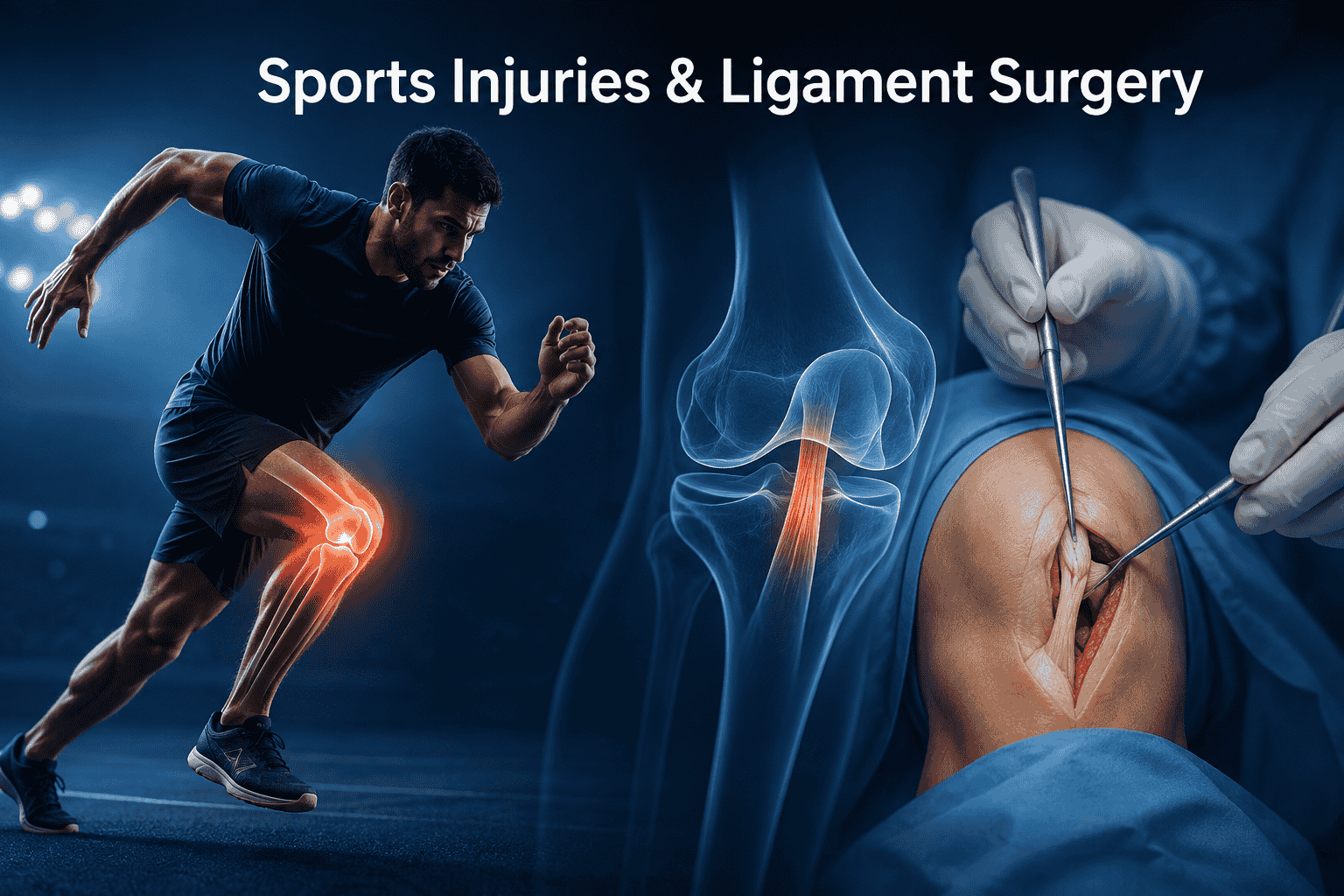
Sports Injuries & Ligament Surgery
Sports Injuries & Ligament Surgery in Bangalore
Quick Appointment
Expert Sports Injury and Ligament Care for Safe Recovery and Return to Activity
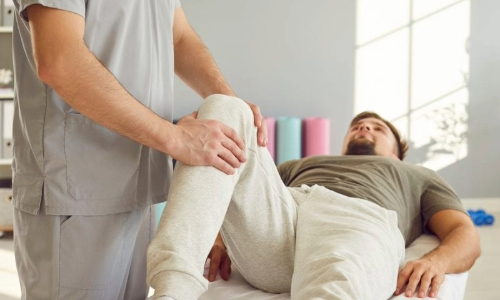
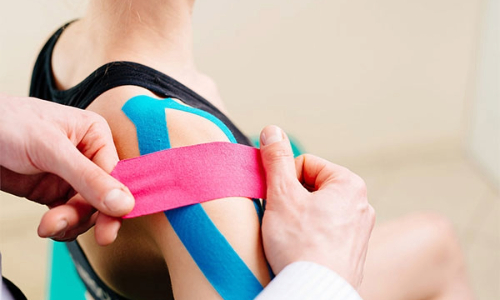
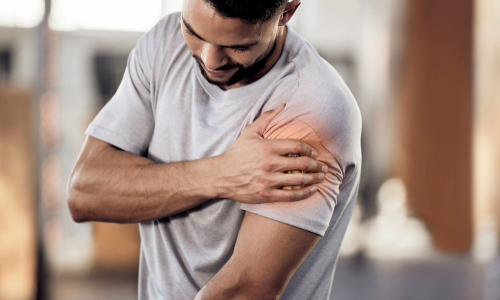
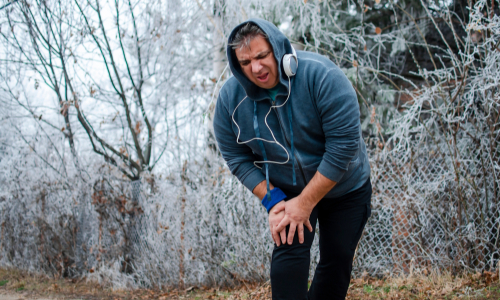
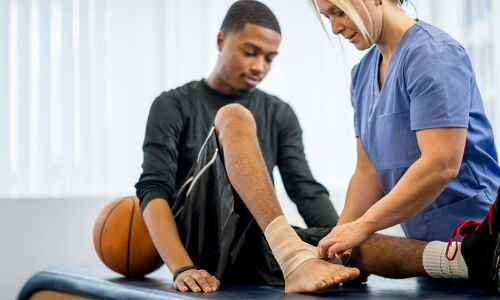
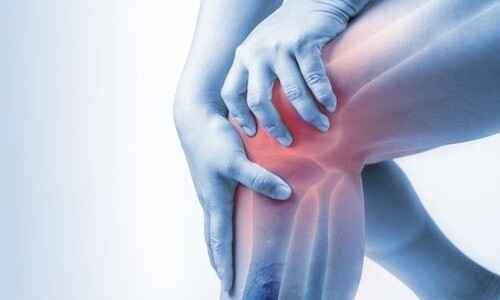
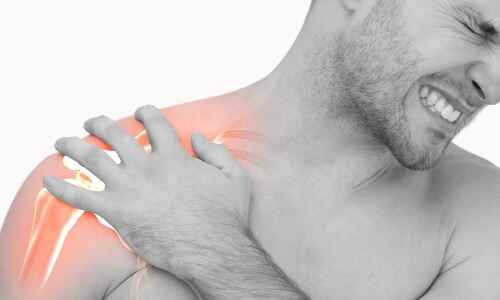
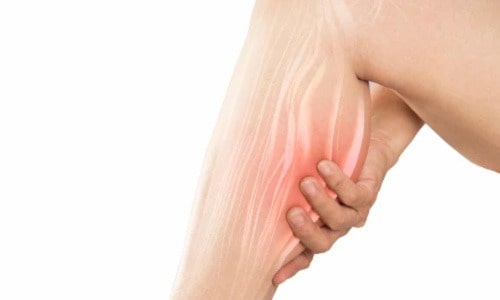
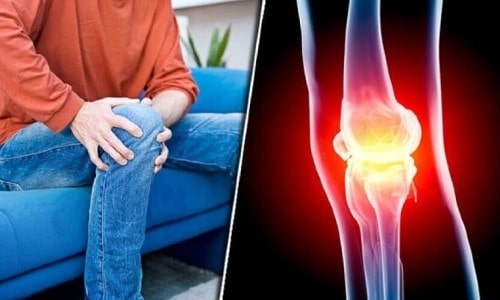
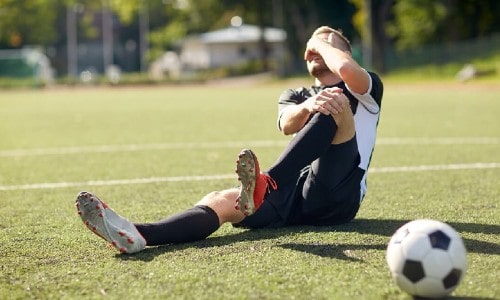
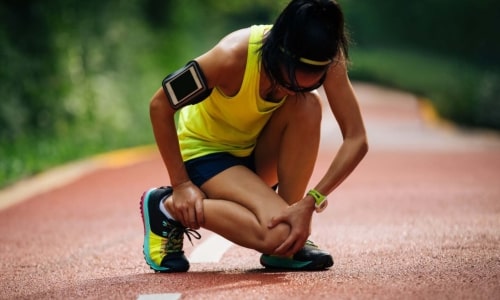
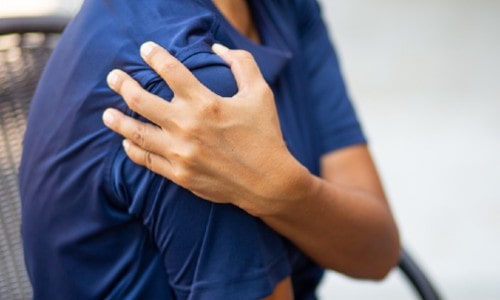
Sports injuries can affect professional athletes, recreational players, gym-goers and people who participate in occasional physical activities. A sudden twist, awkward landing, collision, fall or repetitive strain can injure the ligaments, meniscus, cartilage, muscles or tendons around a joint.
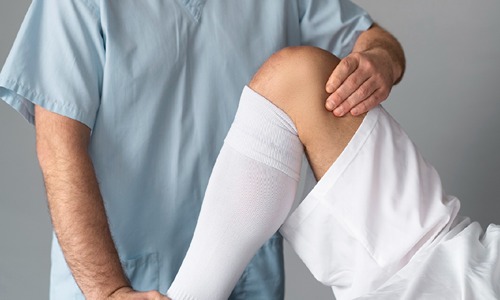
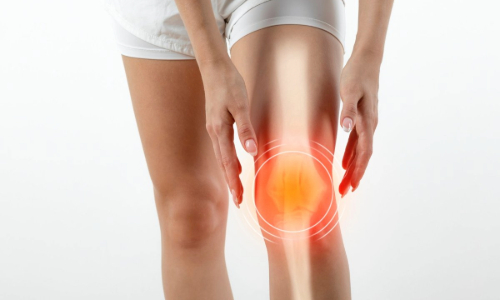
When a sports injury causes persistent pain, swelling, instability or restricted movement, an accurate diagnosis is important before returning to demanding physical activity.
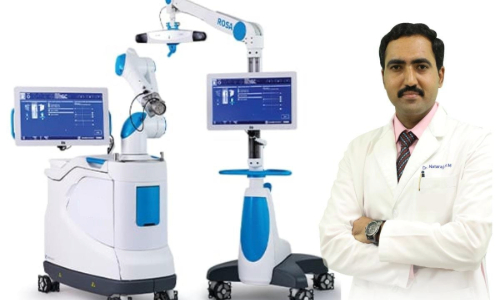
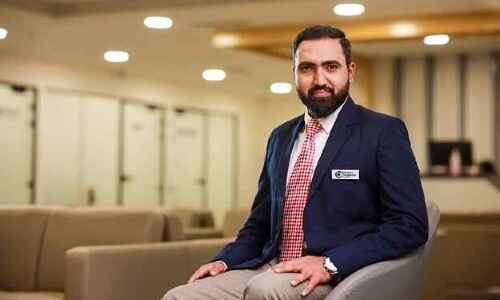
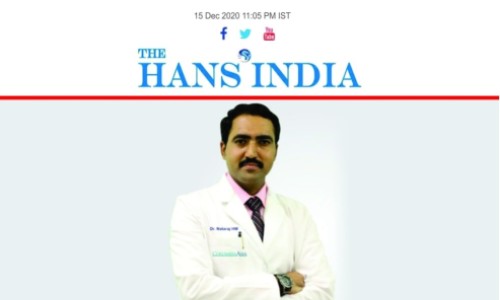
Dr. Nataraj H M, an experienced Orthopedic Surgeon and Knee & Shoulder Specialist in Bangalore, provides evaluation and treatment for sports injuries, ligament injuries and related knee conditions. His areas of expertise include sports injury treatment, ligament repair surgeries, ligament reconstruction, knee arthroscopy and ACL/PCL ligament injuries.
With 17 years of experience in orthopaedics, Dr. Nataraj H M has also undergone fellowship training in arthroscopy and sports medicine through ISAKOS, along with advanced training in knee and shoulder surgery. His approach focuses on accurate diagnosis, evidence-based treatment and appropriate rehabilitation according to the patient's injury and activity requirements.
The goal of sports injury treatment in Bangalore is not simply to reduce pain. Treatment aims to restore appropriate joint stability, strength, movement, function and confidence while helping patients return safely to their desired activities.
What Are Sports Injuries?
Sports injuries are injuries that occur during exercise, training, recreational activities or competitive sports.
They may occur suddenly because of trauma or develop gradually because of repeated stress.
Common sports-related conditions include:
- ACL tears
- PCL injuries
- MCL injuries
- LCL injuries
- Multiligament knee injuries
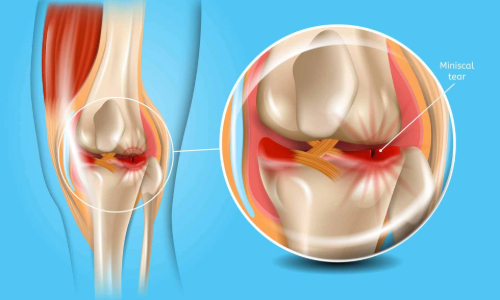
- Meniscus tears
- Cartilage injuries
- Muscle strains
- Tendon injuries
- Joint instability
- Patellar dislocation
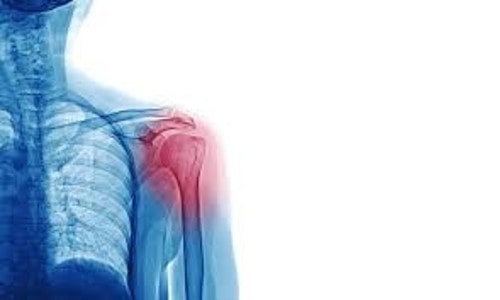
- Shoulder injuries
- Ankle ligament injuries
- Sports-related fractures
- Overuse injuries
At Knee & Shoulder Specialist Dr. Nataraj H M's practice in Bangalore, sports injury care includes assessment of ligament injuries, meniscus problems, cartilage lesions and other knee conditions that may affect athletic or everyday function.
Common Ligament Injuries
Ligaments are strong bands of tissue that connect bones and help provide stability to joints.
A ligament may become stretched, partially torn or completely ruptured following an injury.
ACL Injury
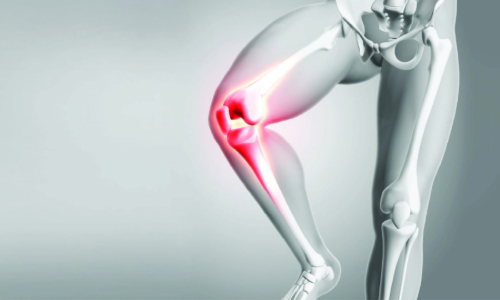
The anterior cruciate ligament (ACL) is an important stabilising ligament inside the knee.
ACL injuries commonly occur during:
- Sudden changes in direction
- Pivoting
- Awkward landings
- Rapid deceleration
- Jumping
- Contact sports
Symptoms may include:
- A popping sensation
- Knee swelling
- Pain
- Difficulty bearing weight
- Reduced movement
- Knee instability
- A sensation that the knee is giving way
ACL reconstruction surgery in Bangalore may be considered for selected patients with symptomatic instability, particularly when rehabilitation alone is unlikely to meet their functional or sporting requirements.
PCL Injury
The posterior cruciate ligament helps control backward movement of the shinbone.
PCL injuries may occur after:
- Direct impact to the front of the knee
- Falls
- Sports collisions
- Certain twisting injuries
Treatment depends on injury severity, associated damage and the degree of instability.
MCL and LCL Injuries
The medial collateral ligament and lateral collateral ligament help control side-to-side stability of the knee.
Some MCL and LCL injuries can be managed conservatively, while more severe or combined injuries may require surgical evaluation.
Multiligament Knee Injuries
When more than one ligament is damaged, the injury may be more complex.
The treatment plan may need to consider:
- Knee stability
- Associated meniscus injury
- Cartilage damage
- Vascular or nerve considerations
- Timing of surgery
- Rehabilitation requirements
Dr. Nataraj H M's practice specifically includes multiligament tear and ligament reconstruction care.
Symptoms That May Require a Sports Injury Evaluation
An orthopaedic assessment may be appropriate if you experience:
- Persistent pain after an injury
- Significant swelling
- Bruising
- Difficulty bearing weight
- Restricted knee movement
- Recurrent giving-way episodes
- Joint instability
- Clicking or locking
- Loss of strength
- Difficulty running or jumping
- Inability to return to your previous sporting activity
A ligament injury should not be diagnosed from symptoms alone. A clinical examination and appropriate imaging may be necessary.
How Are Sports Injuries Diagnosed?
Accurate diagnosis is an important part of sports injury treatment.
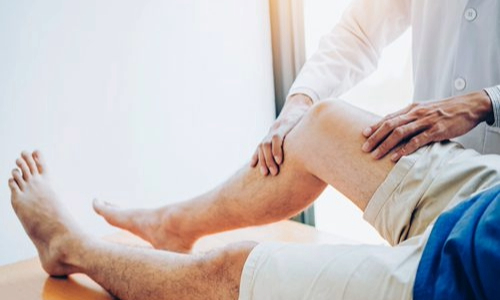
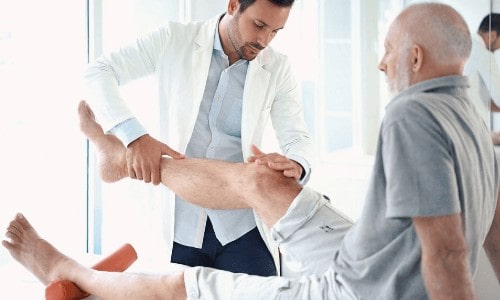
Clinical Examination
The orthopaedic specialist may assess:
- Joint stability
- Range of movement
- Muscle strength
- Swelling
- Tenderness
- Functional limitations
- Movement patterns
Imaging
Depending on the suspected injury, imaging may include:
- X-rays
- MRI
- Ultrasound
- Other investigations when clinically indicated
MRI can be particularly useful when ligament, meniscus or cartilage injury is suspected.
Activity Assessment
Treatment planning also considers:
- Type of sport
- Training frequency
- Competition level
- Occupational demands
- Previous injuries
- Fitness level
- Desired activity level
This is particularly important for athletes who want to return to high-demand activities.
Non-Surgical Treatment for Sports Injuries
Not every ligament injury requires surgery.
Depending on the injury, non-surgical sports injury treatment in Bangalore may include:
- Activity modification
- Appropriate symptom management
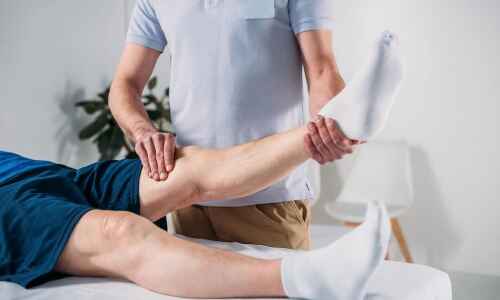
- Physiotherapy
- Muscle strengthening
- Mobility exercises
- Balance and coordination training
- Bracing
- Progressive rehabilitation
- Gradual return-to-sport planning
Some partial ligament injuries can become functionally stable with appropriate rehabilitation.
The decision depends on the ligament involved, injury severity, instability, associated damage and the patient's activity requirements.
When Is Ligament Surgery Considered?
Ligament surgery may be considered when an injury causes significant instability or when appropriate non-surgical management is unlikely to provide the required level of function.
Factors that may influence the decision include:
- Complete ligament rupture
- Persistent instability
- Recurrent giving-way episodes
- Associated meniscus injury
- Cartilage damage
- Combined ligament injuries
- High sporting demands
- Failure of appropriate rehabilitation
- Functional limitations
An MRI finding alone does not necessarily determine whether surgery is required.
The decision should consider the patient's symptoms, clinical examination, activity goals and associated injuries.
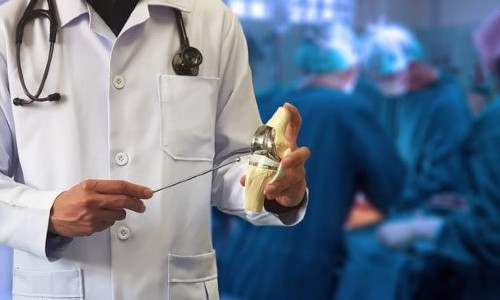
ACL Reconstruction Surgery
ACL reconstruction is a surgical procedure used for selected patients with an ACL tear and symptomatic instability.
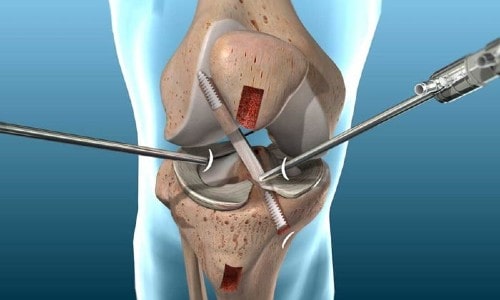
During reconstruction, the injured ACL is replaced with a graft to help restore knee stability.
The graft may be obtained from the patient's own tissue or, in selected circumstances, donor tissue.
ACL reconstruction is commonly performed using knee arthroscopy, a minimally invasive technique in which a small camera is introduced into the joint to visualise the internal structures.
Dr. Nataraj H M's website specifically highlights his expertise in arthroscopic ACL reconstruction, along with knee arthroscopy and sports injury treatment.
Ligament Repair vs Ligament Reconstruction
The appropriate procedure depends on the type and location of the injury.
Ligament Repair
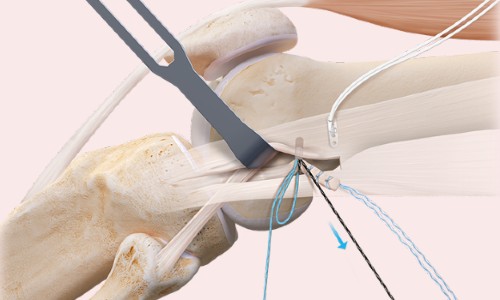
In selected injuries, the existing ligament may be suitable for repair.
The objective is to preserve and restore the injured ligament where clinically appropriate.
Ligament Reconstruction
When the damaged ligament cannot be adequately repaired, reconstruction using a graft may be considered.
The choice depends on:
- Injury pattern
- Ligament involved
- Tissue quality
- Associated injuries
- Patient activity requirements
- Knee stability
Combined Ligament and Meniscus Treatment
Sports injuries may involve multiple structures at the same time.
For example, a ligament injury may occur together with:
- Meniscus tear
- Cartilage injury
- Patellar instability
- Other ligament damage
When appropriate, associated problems may be addressed as part of the overall surgical treatment plan.
Arthroscopic Sports Injury Surgery
Knee arthroscopy in Bangalore may be used for selected sports-related conditions.
Arthroscopy involves inserting a small camera into the joint through a small incision, allowing the surgeon to visualise internal structures.
Depending on the diagnosis, arthroscopic procedures may be used for selected:
- ACL injuries
- Meniscus tears
- Cartilage lesions
- Ligament conditions
- Other intra-articular knee problems
Dr. Nataraj H M lists knee arthroscopy, ligament reconstruction and sports injury treatment among his areas of orthopaedic practice.
Rehabilitation After Ligament Surgery
Surgery is only one part of successful ligament treatment.
A structured rehabilitation programme may progress through several stages.
Early Rehabilitation
The initial focus may include:
- Managing swelling
- Restoring safe movement
- Activating surrounding muscles
- Protecting the healing tissues
Strength Development
Progressive exercises can help restore:
- Quadriceps strength
- Hamstring strength
- Hip strength
- Overall lower-limb control
Stability and Coordination
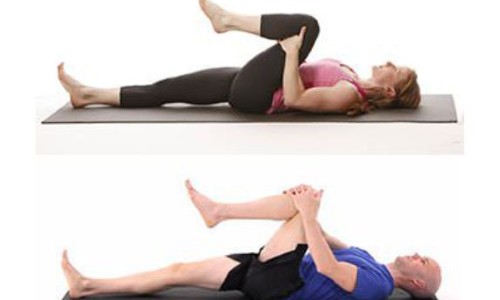
Rehabilitation may include proprioception, balance and movement-control exercises.
Functional Training
As recovery progresses, exercises may become more specific to the patient's work, sport or activity requirements.
Return to Sport
Returning to sport should not be based only on the number of weeks since surgery.
Assessment may include:
- Muscle strength
- Range of motion
- Joint stability
- Balance
- Agility
- Movement quality
- Sport-specific function
A gradual and clinically appropriate return-to-sport programme can help reduce the risk of returning before adequate recovery.
Returning to Sports After a Ligament Injury
Athletes often want to know when they can resume running, jumping, training or competition.
There is no single timeline that applies to every injury.
Return-to-sport decisions depend on:
- Ligament involved
- Type of injury
- Surgical procedure, if required
- Healing progress
- Muscle strength
- Knee stability
- Movement control
- Sport-specific demands
- Rehabilitation progress
For this reason, ACL surgery and sports injury rehabilitation in Bangalore should be approached as a staged process rather than a fixed calendar-based programme.
Can Sports Injuries Be Prevented?
Not every sports injury can be prevented, but appropriate preparation may reduce injury risk.
Useful measures include:
- Warming up before exercise
- Gradually increasing training intensity
- Maintaining muscle strength
- Improving flexibility and mobility
- Learning appropriate movement techniques
- Using suitable protective equipment
- Allowing adequate recovery
- Avoiding sudden increases in training load
- Completing rehabilitation after previous injuries
Athletes should also address recurring pain or instability instead of repeatedly training through symptoms.
Why Individualized Sports Injury Treatment Matters
The treatment requirements of a professional athlete can be very different from those of a recreational player or someone whose main goal is comfortable everyday movement.
Treatment planning may consider:
- Age
- Sport
- Competition level
- Injury severity
- Joint stability
- Associated injuries
- Previous injuries
- Fitness
- Occupational requirements
- Long-term activity goals
Dr. Nataraj H M describes his approach as scientific and evidence-based and has treated sportsmen as part of his orthopaedic and sports injury practice. His training includes fellowship experience in arthroscopy and sports medicine through ISAKOS.
Why Choose Dr. Nataraj H M for Sports Injury and Ligament Treatment?
Dr. Nataraj H M is an Orthopedic Surgeon and Knee & Shoulder Specialist in Bangalore with 17 years of experience in orthopaedics.
His relevant professional expertise includes:
- Sports injury treatment
- ACL and PCL ligament injuries
- Ligament reconstruction
- Ligament repair
- Knee arthroscopy
- Meniscus treatment
- Cartilage lesion treatment
- Multiligament injuries
- Joint preservation
- Minimally invasive orthopaedic procedures
His educational and fellowship background includes MBBS, MS Orthopedics, MCH Ortho, advanced knee and shoulder surgery training in Italy, fellowship training in arthroscopy and sports medicine through ISAKOS, and fellowship training in computer-assisted joint replacement.
The website also highlights his experience with arthroscopic ACL reconstruction and complex ligament procedures.
This combination of specialist training, clinical experience and sports-medicine expertise allows treatment to be planned according to the patient's injury and functional goals.
Sports Injury & Ligament Specialist in Carmelram, Sarjapur Road, Bangalore
Patients seeking sports injury treatment in Bangalore, ACL treatment, ligament reconstruction or knee arthroscopy can consult Dr. Nataraj H M at:
5 Sports Health
Site No. 40 & 41, 1st Floor, MPS Building
Ambedkar Nagar, Mullur, Sarjapur Road
Carmelram, Bangalore, Karnataka – 560035
The clinic website lists consultation hours as Monday to Saturday, 3:00 PM to 8:00 PM.
Frequently Asked Questions About Sports Injuries & Ligament Surgery
1. Can I return to sports without surgery after an ACL tear?
Some patients with an ACL tear may be managed without surgery depending on their symptoms, knee stability, activity requirements and rehabilitation response. However, athletes who continue to experience instability may require further evaluation by a sports injury specialist in Bangalore.
2. What is the difference between an ACL tear and a meniscus tear?
An ACL tear affects a major stabilising ligament of the knee, whereas a meniscus tear affects the cartilage-like cushioning structure between the thighbone and shinbone. Both can occur during sports injuries and may cause pain, swelling, locking or instability. A knee arthroscopy specialist in Bangalore can determine which structures are affected.
3. Can an MCL injury be treated without ligament surgery?
Many isolated MCL injuries can be managed with appropriate protection, rehabilitation and gradual strengthening. The treatment depends on the severity of the tear, knee stability and whether other structures are injured.
4. When is ligament reconstruction preferred over ligament repair?
Ligament reconstruction may be considered when the injured ligament cannot be reliably repaired or when reconstruction is more appropriate for restoring functional stability. The decision depends on the specific injury rather than simply the MRI report.
5. Can a sports injury cause long-term knee instability?
Yes. Some untreated or inadequately rehabilitated ligament injuries can result in persistent instability or recurrent giving-way episodes. A ligament specialist in Bangalore can evaluate the underlying instability and determine whether rehabilitation or surgical treatment is appropriate.
6. What happens if an ACL injury is associated with a meniscus tear?
An ACL injury can occur together with a meniscus tear or other structural damage. The treatment plan needs to consider all associated injuries rather than focusing only on the ACL. Selected patients may require combined arthroscopic treatment.
7. How does knee arthroscopy help diagnose or treat sports injuries?
Knee arthroscopy allows the surgeon to directly visualise structures inside the knee using a small camera. Depending on the diagnosis, arthroscopic techniques may be used for selected ligament, meniscus and cartilage conditions.
8. Can I continue gym workouts after a ligament injury?
Some exercises may be appropriate, but activities involving pivoting, jumping, heavy loading or unstable movements may need modification depending on the injury. A sports injury doctor in Bangalore can help determine which activities are suitable during recovery.
9. What factors determine whether an athlete needs ligament surgery?
The decision may depend on the type and severity of the tear, persistent instability, associated meniscus or cartilage damage, sporting demands, previous injuries and response to rehabilitation. Surgery is not recommended solely because an MRI shows a ligament tear.
10. Why is rehabilitation important after ACL or ligament surgery?
Rehabilitation helps progressively restore movement, muscle strength, balance, joint control and functional capacity. For athletes, a structured rehabilitation programme is particularly important before attempting demanding sports activities after ACL reconstruction in Bangalore.
Evidence-Based Sports Injury and Ligament Care in Bangalore
Sports injuries require more than temporary pain relief. The correct treatment depends on the injured structure, severity of damage, joint stability, activity requirements and recovery goals.
Whether the appropriate approach is rehabilitation, bracing, arthroscopy, ligament repair or ligament reconstruction in Bangalore, treatment should begin with a proper diagnosis and individualized assessment.
With specialist experience in sports injuries, arthroscopy, ACL/PCL ligament injuries and ligament reconstruction, Dr. Nataraj H M provides evidence-based orthopaedic care focused on restoring stability and function.
If persistent pain, swelling, instability or repeated giving-way is preventing you from returning to your normal activities or sport, schedule an orthopaedic evaluation to understand the appropriate treatment options.