Fracture Management
Fracture Management
Quick Appointment
Comprehensive Fracture Treatment in Bangalore for Broken Bones and Complex Injuries
A fracture can happen suddenly because of a fall, road traffic accident, sports injury, workplace accident, or direct impact. Fractures can also occur when bones have become weaker due to certain underlying conditions.
Proper fracture treatment in Bangalore involves much more than applying a cast. Accurate diagnosis, restoration of bone alignment, appropriate stabilization, protection of surrounding tissues, and structured rehabilitation all play important roles in recovery.
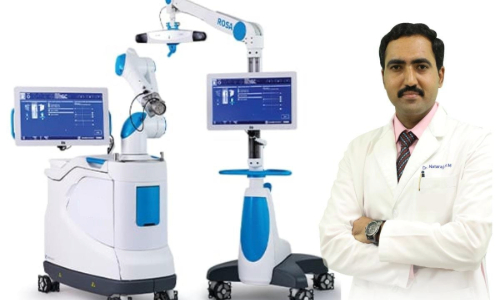
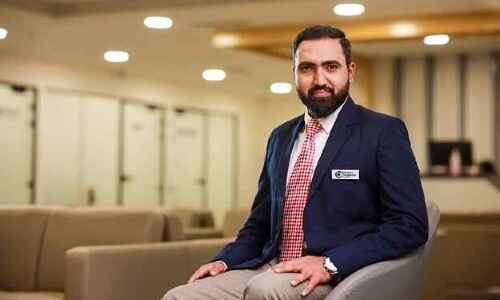
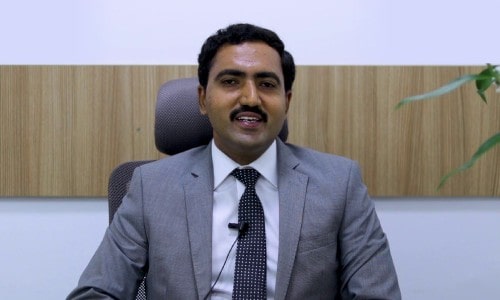
Dr. Nataraj H M, an experienced orthopaedic surgeon in Bangalore and Knee & Shoulder Specialist, provides evaluation and treatment for fractures, trauma, sports-related injuries, and other orthopaedic conditions. His clinical expertise includes fracture surgeries, arthroscopy, sports injury treatment, joint preservation, and joint replacement procedures.
Treatment is selected according to the fracture location, pattern, displacement, joint involvement, soft-tissue condition, bone quality, overall health, and functional requirements of the patient.
What Is a Fracture?
A fracture is a partial or complete break in a bone. It may range from a small crack to a complex injury involving multiple bone fragments or damage to the surrounding soft tissues.
Common fracture types include:
- Closed or simple fractures
- Open fractures
- Hairline fractures
- Stress fractures
- Displaced fractures
- Non-displaced fractures
- Comminuted fractures
- Avulsion fractures
- Compression fractures
- Intra-articular fractures
The type and location of the fracture help an orthopaedic specialist in Bangalore determine the most appropriate treatment approach.
Why Choose an Experienced Orthopaedic Surgeon for Fracture Treatment?
Fracture management requires clinical judgement, accurate imaging, knowledge of bone and joint anatomy, and an understanding of how the injury may affect future movement and function.
Dr. Nataraj H M has specialized expertise in orthopaedics, with a particular focus on knee and shoulder conditions. His professional profiles describe experience across fracture care, trauma surgery, arthroscopy, sports injuries, ligament reconstruction and joint replacement.
His approach emphasizes evidence-based orthopaedic care, with treatment selected according to the patient's injury rather than using the same fracture treatment for everyone.
For patients looking for fracture treatment in Bangalore, a detailed assessment can help determine whether a fracture can be managed conservatively or requires surgical fixation.
Common Causes of Fractures
Fractures may result from:
- Falls
- Road traffic accidents
- Sports injuries
- Workplace accidents
- Direct blows
- Twisting injuries
- Repetitive stress
- High-impact trauma
- Reduced bone strength
Younger patients may sustain fractures during sports or high-energy accidents, while older adults may experience fractures following relatively low-impact falls.
Symptoms of a Broken Bone
Symptoms vary depending on the bone and severity of the injury.
Possible signs include:
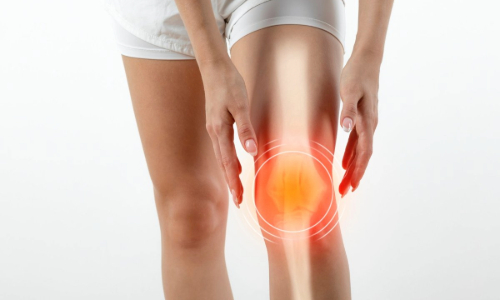
- Sudden pain after an injury
- Swelling
- Bruising
- Tenderness
- Difficulty moving the affected area
- Difficulty bearing weight
- Visible deformity
- Abnormal movement
- Reduced function
- Numbness or tingling
Severe pain, significant deformity, an open wound, loss of sensation, or inability to use the affected limb requires prompt medical assessment.
If you suspect a broken bone, seeking evaluation from an orthopaedic doctor in Bangalore can help identify the injury and establish an appropriate treatment plan.
How Are Fractures Diagnosed?
An accurate diagnosis is an essential part of fracture management.
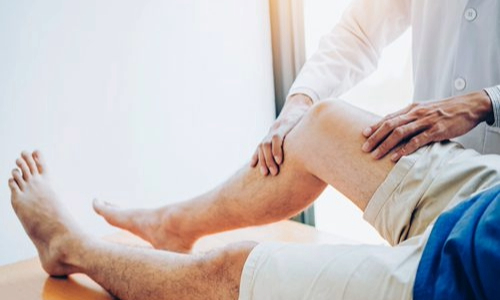
Clinical Examination
The orthopaedic surgeon evaluates:
- Pain and tenderness
- Swelling
- Deformity
- Movement
- Circulation
- Sensation
- Nerve function
- Condition of surrounding tissues
X-Ray
X-rays are commonly used to identify the fracture location, pattern, displacement and alignment.
CT Scan
A CT scan may be recommended for complex fractures, particularly when the fracture extends into a joint or involves multiple bone fragments.
MRI
MRI may be useful in selected cases, including suspected stress fractures or situations where associated soft-tissue injuries need further assessment.
The information obtained through examination and imaging helps the surgeon determine the appropriate fracture treatment plan.
Fracture Treatment Options
There is no single treatment suitable for every fracture.
Depending on the injury, treatment may involve:
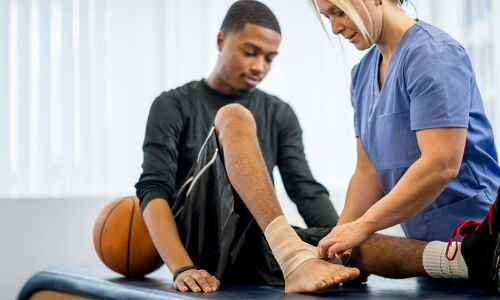
- Immobilization
- Splints
- Casts
- Braces
- Slings
- Protected weight-bearing
- Fracture reduction
- Surgical fixation
- Rehabilitation
- Follow-up imaging
The objective of fracture treatment in Bangalore is not only to allow the bone to heal but also to restore appropriate alignment and function wherever possible.
Non-Surgical Fracture Treatment
Stable fractures with acceptable alignment may sometimes heal successfully without surgery.
Non-surgical management may include:
- Cast immobilization
- Splinting
- Bracing
- Slings
- Restricted weight-bearing
- Activity modification
- Pain management
- Follow-up X-rays
- Physiotherapy when appropriate
The fracture is monitored during healing to make sure that alignment remains satisfactory.
Fracture Reduction
When bone fragments have moved out of their normal position, fracture reduction may be required.
Depending on the injury, reduction may be performed:
- Without surgery using controlled manipulation
- During a surgical procedure
After reduction, a cast, brace, or internal fixation may be required to maintain the corrected position.
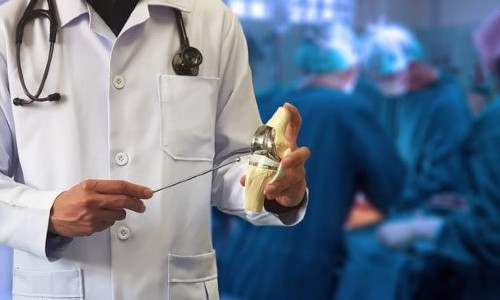
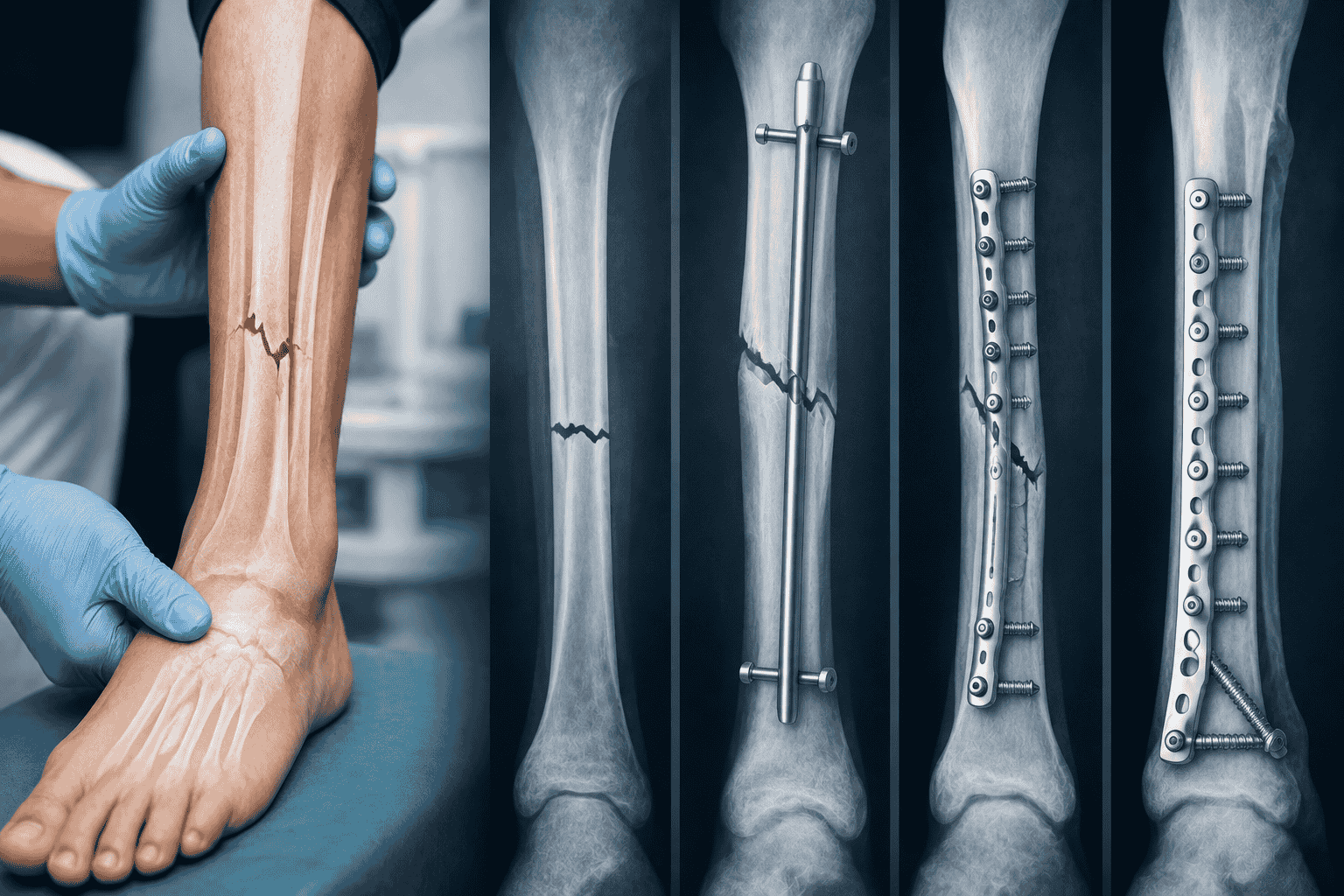
Fracture Fixation Surgery
Some fractures cannot be adequately treated with immobilization alone.
Fracture surgery in Bangalore may be considered when a fracture is:
- Significantly displaced
- Unstable
- Involving a joint
- Difficult to maintain in acceptable alignment
- Associated with significant soft-tissue injury
- Unlikely to heal appropriately with non-surgical treatment
Surgical fixation may include different techniques.
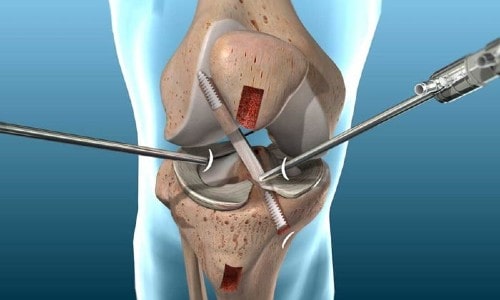
Plates and Screws
Plates and screws may stabilize bone fragments and maintain alignment while the fracture heals.
Intramedullary Nails
A metal nail placed inside the central canal of a long bone may be used for selected femur, tibia and other long-bone fractures.
Screws and Pins
Certain fractures can be stabilized with screws, pins or other fixation devices.
External Fixation
External fixation may be considered for selected complex fractures, particularly when significant swelling or soft-tissue damage makes internal fixation unsuitable initially.
The fixation method depends on the fracture pattern, location, bone quality, soft-tissue condition and overall health.
Complex and Open Fracture Management
An open fracture occurs when a fracture communicates with an external wound.
These injuries require urgent fracture care because infection and soft-tissue complications can occur.
Treatment may involve:
- Wound assessment
- Antibiotics when indicated
- Tetanus protection when appropriate
- Surgical wound cleaning
- Fracture stabilization
- Soft-tissue management
- Follow-up monitoring
Complex fractures require careful coordination between the orthopaedic team and other medical specialists when necessary.
Fractures Involving a Joint
Some fractures extend into the surface of a joint and are called intra-articular fractures.
These injuries require particular attention because joint-surface alignment can influence future movement and function.
Depending on the fracture, treatment may involve detailed imaging, fracture reduction, immobilization or surgical fixation.
The goal is to restore appropriate alignment while reducing the risk of stiffness, instability and post-traumatic joint problems.
Sports-Related Fracture Treatment
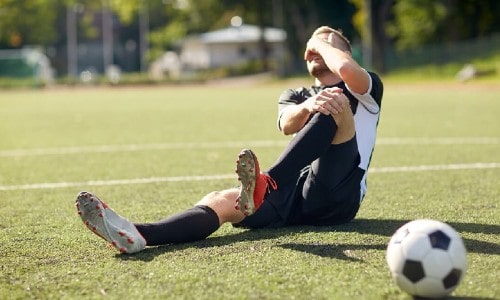
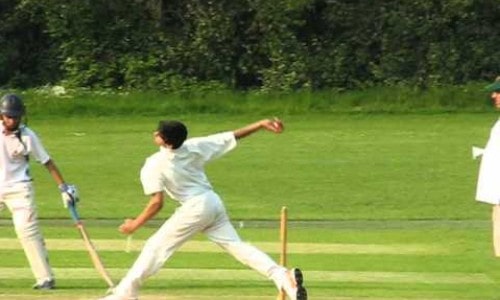
Sports injuries can cause fractures through falls, collisions, twisting movements and high-impact forces.
Dr. Nataraj H M has specialized experience in sports medicine and sports injury treatment, alongside arthroscopy, ligament reconstruction and fracture care.
For an athlete, treatment planning considers more than bone healing. The rehabilitation plan may also address:
- Muscle strength
- Joint mobility
- Balance
- Coordination
- Sport-specific movement
- Training requirements
- Safe return to activity
A gradual return-to-sport programme can help reduce the risk of returning to demanding activity before adequate recovery.
Stress Fracture Management
Stress fractures are small cracks that can develop when repetitive loading exceeds the bone's ability to recover.
They may occur in people involved in:
- Running
- Jumping
- High-volume training
- Repetitive sports
- Sudden increases in physical activity
Persistent, localized pain that worsens with activity should not be ignored.
Treatment may involve activity modification, temporary reduction of loading, rehabilitation and assessment of factors that may have contributed to the injury.
Fracture Healing and Recovery
Bone healing takes time and varies between individuals.
Recovery may be influenced by:
- Fracture location
- Fracture pattern
- Degree of displacement
- Bone quality
- Blood supply
- Age
- General health
- Nutrition
- Smoking
- Certain medical conditions
- Treatment method
- Compliance with rehabilitation
Regular follow-up may be recommended to monitor bone healing and alignment.
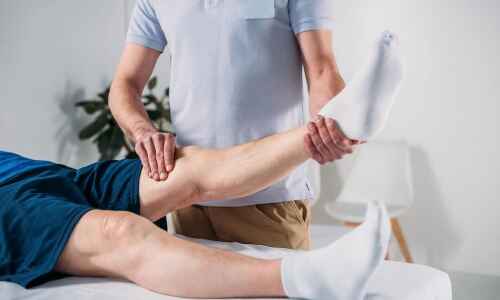
Rehabilitation After Fracture Treatment
Successful broken bone treatment does not necessarily end when a cast is removed or surgery is completed.
Rehabilitation may focus on:
Restoring Movement
Appropriate exercises can help reduce stiffness following immobilization.
Rebuilding Strength
Progressive strengthening can help restore muscle function after a period of reduced activity.
Improving Balance
Balance and coordination exercises can be particularly important after lower-limb fractures.
Returning to Daily Activities
Work, exercise and sports should generally be resumed progressively according to bone healing and functional recovery.
What Can Delay Bone Healing?
Several factors may affect fracture healing, including:
- Smoking or tobacco use
- Poor nutrition
- Reduced blood supply
- Certain medications
- Diabetes and other medical conditions
- Severe soft-tissue injury
- Infection
- Excessive movement at the fracture site
When healing does not progress as expected, further evaluation may be required.
Nonunion and Malunion
Nonunion
Nonunion occurs when a fracture does not progress toward healing within the expected timeframe.
Malunion
Malunion occurs when a fracture heals but remains in an undesirable position or alignment.
Treatment depends on the underlying problem and may include observation, additional stabilization, bone grafting or corrective surgery in selected cases.
Why Early Fracture Assessment Matters
A fracture that initially appears uncomplicated may involve joint damage, instability, soft-tissue injury or an alignment problem that is not immediately obvious.
An early fracture specialist consultation in Bangalore can help assess:
- Exact fracture pattern
- Bone alignment
- Joint involvement
- Blood circulation
- Nerve function
- Soft-tissue damage
- Need for surgery
- Rehabilitation requirements
Early diagnosis allows treatment decisions to be made before inappropriate loading or delayed management complicates recovery.
When Is a Fracture an Emergency?
Seek urgent medical attention if an injury causes:
- Obvious bone deformity
- An open wound near the suspected fracture
- Severe uncontrolled pain
- Significant swelling
- Loss of sensation
- Pale, blue or unusually cold fingers or toes
- Heavy bleeding
- Inability to move the affected limb
- Suspected spinal, pelvic or major long-bone injury
Do not attempt to straighten a visibly deformed limb yourself.
Why Patients May Consider Dr. Nataraj H M for Fracture Care in Bangalore
Dr. Nataraj H M is an orthopaedic surgeon in Bengaluru with specialized expertise in knee and shoulder disorders and additional training in arthroscopy, sports medicine and joint replacement. His professional profiles list fracture care, trauma surgery and advanced fracture procedures among his clinical services.
His experience across fracture surgery, sports injuries, arthroscopy and joint procedures allows treatment planning to consider both the immediate injury and the patient's longer-term functional requirements.
For patients seeking fracture treatment in Bangalore, the priority should be an accurate diagnosis, appropriate stabilization and a recovery plan based on the individual injury.
Frequently Asked Questions
1. What is the best treatment for a broken bone?
The appropriate broken bone treatment depends on the fracture's location, stability, displacement and joint involvement. Stable injuries may be managed with immobilization, while displaced or unstable fractures may require fracture reduction or surgical fixation.
2. Does every fracture need fracture surgery?
No. Fracture surgery in Bangalore is considered only when the injury cannot be appropriately managed with non-surgical methods or when surgery is likely to provide a better functional outcome. Stable fractures with acceptable alignment may heal with a cast, splint or brace.
3. How does an orthopaedic surgeon decide whether a fracture needs surgery?
An orthopaedic surgeon in Bangalore considers the fracture pattern, displacement, stability, joint involvement, soft-tissue condition, bone quality, overall health and functional requirements rather than relying on an X-ray finding alone.
4. What is fracture fixation surgery?
Fracture fixation surgery uses implants such as plates, screws, nails or pins to stabilize broken bone fragments and maintain appropriate alignment during healing. The technique depends on the type and location of the fracture.
5. How long does bone healing usually take?
The healing period differs according to the bone involved, fracture severity, age, general health, blood supply and treatment method. A fracture specialist in Bangalore can provide a more individualized expectation after examining the injury and follow-up imaging.
6. When can I put weight on a leg after fracture treatment?
Weight-bearing after fracture treatment depends on the fracture location, stability, fixation method and healing progress. Some injuries permit protected weight-bearing early, whereas others require a longer period of restriction.
7. Can sports injuries cause fractures?
Yes. Sports-related collisions, falls, repetitive loading and high-impact movements can cause fractures. Sports injury treatment in Bangalore may combine fracture management with rehabilitation designed around the patient's sporting and functional goals.
8. What is the difference between nonunion and malunion?
In fracture management, nonunion means the fracture has failed to progress adequately toward healing, whereas malunion means the bone has healed in an undesirable alignment. Treatment depends on the cause and severity of the problem.
9. Can I exercise while recovering from a fracture?
Exercise may be introduced progressively, but it must match the stage of bone healing. A supervised orthopaedic rehabilitation plan in Bangalore may include mobility, strengthening, balance and gradual return to normal activities.
10. When should I see an orthopaedic specialist after an injury?
An orthopaedic specialist in Bangalore should evaluate significant pain, swelling, deformity, inability to bear weight, restricted movement, numbness or persistent symptoms after an injury. Open fractures and injuries associated with severe deformity or loss of circulation require urgent medical attention.
Trustworthy, Individualized Fracture Care
A fracture requires more than simply treating the visible break. Accurate diagnosis, appropriate stabilization, protection of surrounding tissues and rehabilitation all contribute to functional recovery.
If you have sustained a fracture or continue to experience pain following an injury, consultation with Dr. Nataraj H M, Orthopaedic Surgeon and Knee & Shoulder Specialist in Bangalore, can help determine the appropriate treatment pathway. His listed areas of expertise include fracture surgery, sports injury care, arthroscopy and other advanced orthopaedic procedures.
Book a consultation for fracture evaluation and personalized orthopaedic care in Bangalore.