Robotic Knee Replacement
Robotic Knee Replacement in Bangalore
Quick Appointment
Advanced Computer-Assisted Precision for Knee Replacement Surgery
Severe knee arthritis can gradually make walking, climbing stairs, exercising and everyday activities increasingly difficult. When persistent knee pain and stiffness no longer respond adequately to appropriate non-surgical treatment, knee replacement may become a suitable treatment option.
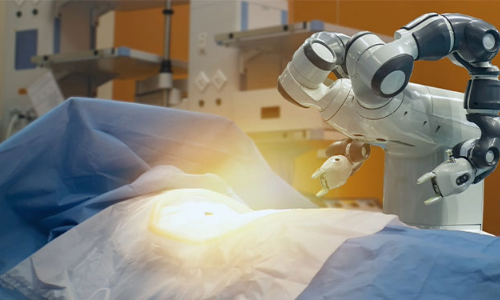
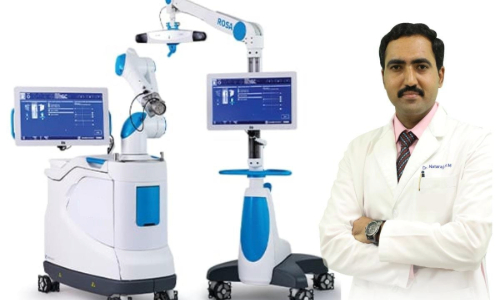
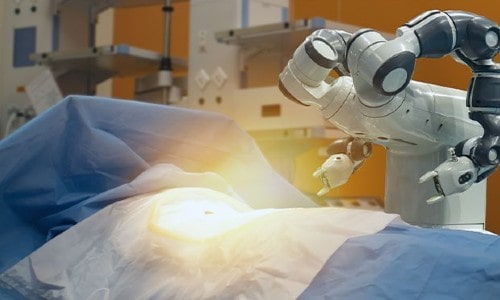
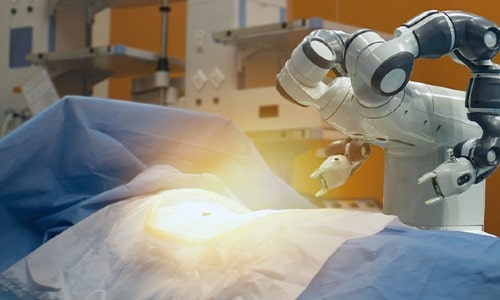
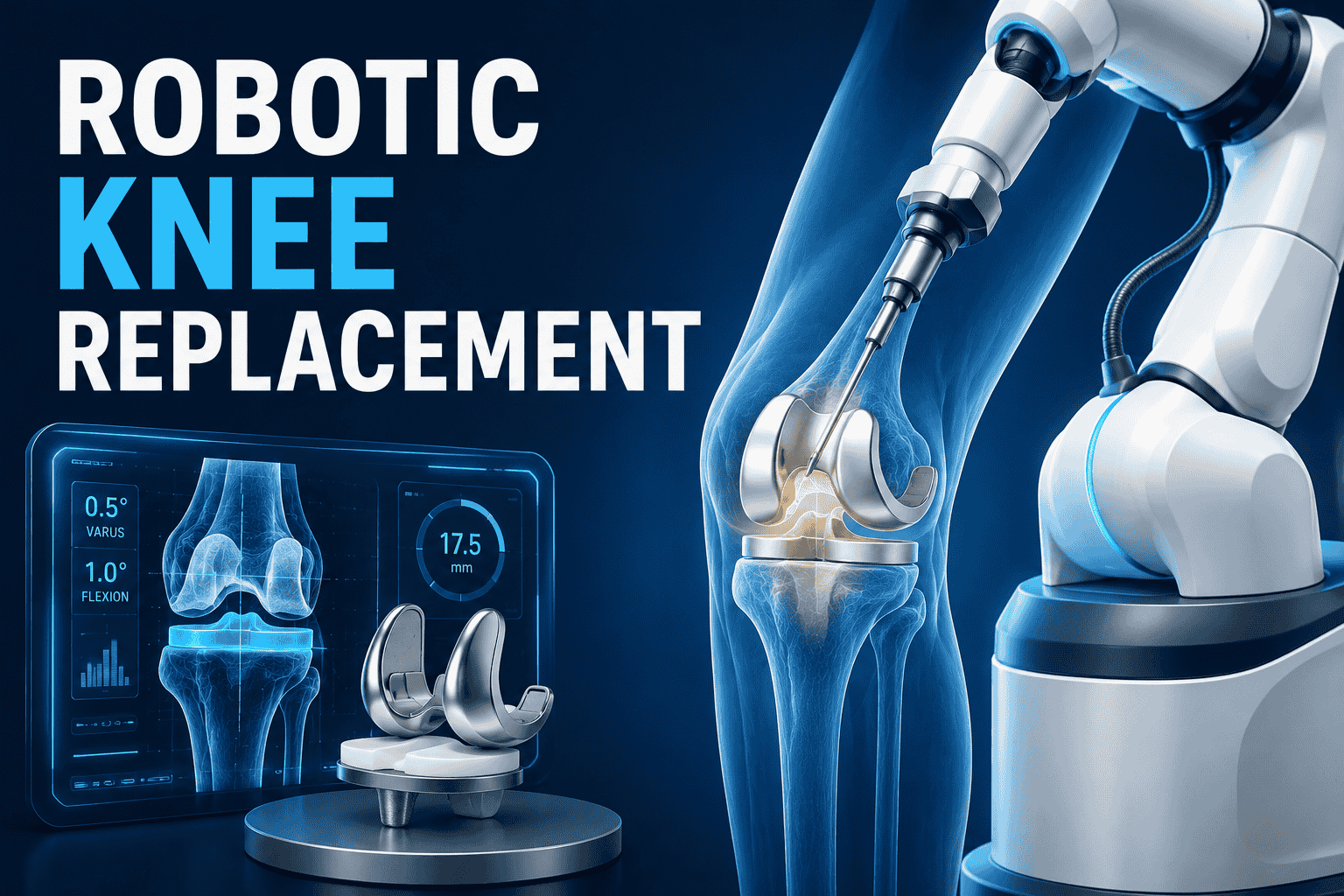
Robotic knee replacement in Bangalore combines the experience and judgement of an orthopaedic surgeon with advanced computer-assisted planning and robotic technology. The technology can assist with preoperative planning, bone preparation and implant positioning according to the patient's individual knee anatomy.
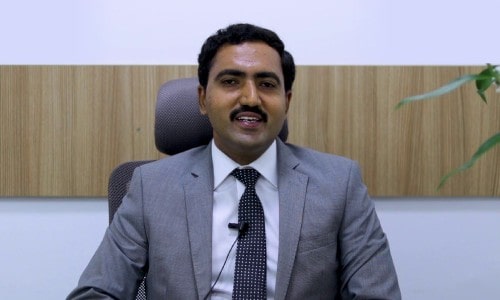
The robotic system does not replace the surgeon. Dr. Nataraj H M, an experienced Knee & Shoulder Specialist in Bangalore, remains responsible for diagnosis, treatment decisions, surgical planning and the procedure itself.
Dr. Nataraj H M has 17 years of orthopaedic experience and has undergone specialised training in advanced knee and shoulder surgery in Italy, arthroscopy and sports medicine through ISAKOS, and computer-assisted joint replacement. His practice includes knee arthritis and replacement surgery, arthroscopy, sports injuries, joint preservation and computer-assisted knee replacement.
What Is Robotic Knee Replacement?
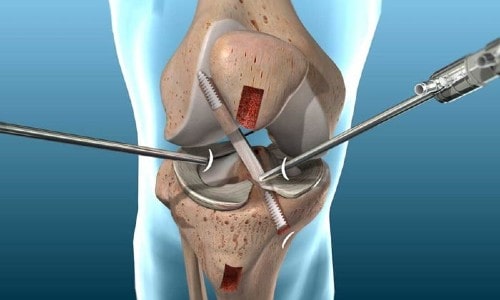
Robotic knee replacement is a form of knee replacement surgery supported by computer-assisted technology.
Before surgery, relevant imaging and clinical information may be used to develop a digital representation of the patient's knee. This can assist the surgeon in planning alignment, implant positioning and other surgical parameters.
During the procedure, the robotic-assisted system can provide information and guidance for selected stages of surgery.
The surgeon remains in control throughout the operation and makes the final clinical decisions based on the patient's anatomy and intraoperative findings.
When Is Knee Replacement Considered?
Knee replacement is generally considered when damage to the joint causes persistent pain and significant limitations in mobility or quality of life.
Possible reasons for considering knee replacement surgery in Bangalore include:
- Advanced knee osteoarthritis
- Significant cartilage loss
- Persistent knee pain
- Severe stiffness
- Difficulty walking or standing
- Difficulty climbing stairs
- Pain affecting sleep
- Reduced ability to exercise or participate in activities
- Significant knee deformity associated with advanced arthritis
- Inadequate improvement despite appropriate non-surgical treatment
Not every patient with knee arthritis requires replacement. A detailed assessment is necessary to determine whether surgery is appropriate.
Why Is Surgical Planning Important?
Every knee has individual anatomical characteristics.
Computer-assisted planning can help the surgical team understand the patient's knee anatomy and develop an individualized surgical plan.
The planning process may consider:
- Knee alignment
- Bone anatomy
- Areas of joint damage
- Implant size and positioning
- Planned bone preparation
- Soft-tissue balance
- Overall surgical objectives
For patients considering robotic-assisted knee replacement in Bangalore, this technology provides additional planning and intraoperative information while keeping the surgeon responsible for the treatment.
How Does Robotic-Assisted Knee Replacement Work?
The exact technology varies depending on the robotic platform being used, but the process generally involves several stages.
1. Preoperative Assessment
The surgeon evaluates symptoms, medical history, previous treatments, mobility, knee stability and overall health.
2. Imaging and Digital Planning
Appropriate imaging may be used to understand the patient's knee anatomy and develop the surgical plan.
3. Patient-Specific Surgical Planning
The surgeon plans aspects such as alignment, implant positioning and bone preparation according to the patient's anatomy.
4. Intraoperative Guidance
During surgery, the robotic-assisted system provides information and guidance for selected surgical steps.
5. Controlled Bone Preparation
The technology may help the surgeon perform planned bone preparation within defined parameters.
6. Implant Positioning
The surgeon positions and secures the knee replacement components based on the surgical plan and findings during the procedure.
7. Postoperative Rehabilitation
Following surgery, rehabilitation focuses on safe mobility, knee movement, muscle activation, walking and gradual restoration of strength and function.
Potential Advantages of Robotic-Assisted Knee Replacement
Robotic assistance is primarily intended to support precision and consistency during selected aspects of knee replacement surgery.
Potential advantages may include:
Patient-Specific Planning
The surgical plan can be developed according to the patient's individual knee anatomy.
Computer-Assisted Guidance
The technology provides additional information to assist the surgeon during relevant stages of the procedure.
Implant Positioning
Robotic guidance may assist with achieving the planned implant alignment and positioning.
Alignment Assessment
Certain robotic systems can provide measurements that help the surgeon assess alignment and soft-tissue balance during surgery.
Controlled Bone Preparation
Technology-assisted systems can help the surgeon follow predefined parameters during selected bone-preparation steps.
However, robotic technology does not guarantee a particular surgical result. Outcomes depend on the patient's condition, surgical technique, implant selection, rehabilitation and overall health.
Robotic Knee Replacement vs Conventional Knee Replacement
Both conventional and robotic-assisted knee replacement aim to reduce pain and improve function by replacing damaged portions of the knee.
The main difference is the technology used to assist the surgeon.
|
Robotic-Assisted Knee Replacement |
Conventional Knee Replacement |
|---|---|
|
Uses computer-assisted surgical planning |
Uses established planning methods and surgical instrumentation |
|
Provides additional intraoperative measurements and guidance |
Relies primarily on conventional surgical techniques and instruments |
|
Allows planning based on patient-specific anatomical information |
Uses established anatomical measurements and surgical guides |
|
Can assist with selected bone-preparation steps |
Bone preparation is performed using conventional instrumentation |
|
Surgeon remains responsible for all clinical decisions |
Surgeon remains responsible for all clinical decisions |
Robotic assistance is therefore a surgical technology rather than an independent treatment. Conventional knee replacement can also provide excellent outcomes when appropriately indicated and performed by an experienced surgeon.
Is Robotic Knee Replacement Suitable for Everyone?
No. Robotic-assisted surgery is not automatically the best choice for every patient.
Suitability may depend on:
- Severity of arthritis
- Type and distribution of joint damage
- Knee alignment
- Bone quality
- Ligament condition
- Previous knee surgery
- Overall medical health
- Type of replacement required
- Patient age and activity requirements
- Available technology
- Surgeon's assessment and experience
A consultation with a knee replacement specialist in Bangalore can help determine whether robotic-assisted, conventional, partial or total knee replacement is appropriate.
Partial vs Total Knee Replacement
Not every patient with knee arthritis requires a total knee replacement.
Partial Knee Replacement
Partial knee replacement may be considered when arthritis is limited to a suitable compartment of the knee and the remaining joint structures are appropriately preserved.
The decision depends on the distribution of arthritis, ligament condition, alignment and other patient-specific factors.
Total Knee Replacement
Total knee replacement may be considered when arthritis has extensively affected the knee and causes persistent pain and functional limitations despite appropriate non-surgical management.
Dr. Nataraj H M's clinic lists both partial and total knee replacement among its knee replacement services.
What Happens Before Robotic Knee Replacement?
A comprehensive preoperative assessment is important before surgery.
Medical Assessment
Your general health, medications, previous treatments and relevant medical conditions are reviewed.
Knee Examination
The surgeon evaluates:
- Pain
- Range of motion
- Stability
- Alignment
- Muscle strength
- Functional limitations
Imaging
X-rays and other imaging may be used to understand the extent and location of joint damage and support surgical planning.
Treatment Discussion
The surgeon discusses the available treatment options, including continued non-surgical care, joint-preservation options, conventional knee replacement and robotic-assisted knee replacement where appropriate.
Surgical Preparation
Patients may receive guidance about medications, exercises, mobility, nutrition and preparation for postoperative recovery.
Recovery After Robotic Knee Replacement
Recovery varies between patients.
Early rehabilitation generally focuses on:
- Safe walking
- Regaining knee movement
- Controlling postoperative swelling
- Activating the leg muscles
- Improving strength
- Restoring balance
- Gradually increasing activity
Physiotherapy and home exercises may form an important part of rehabilitation.
Robotic assistance does not guarantee faster recovery. Recovery depends on factors such as the patient's health, surgical findings, rehabilitation programme, muscle strength and adherence to postoperative instructions.
How Long Does a Knee Replacement Implant Last?
Modern knee replacement implants are designed for long-term use, but implant longevity varies between individuals.
Factors that may influence implant survival include:
- Age
- Body weight
- Activity level
- Implant design
- Surgical technique
- Bone quality
- Overall health
- Rehabilitation
Your surgeon can explain the expected longevity of the implant based on your age, activity level, knee condition and individual circumstances.
Risks and Limitations of Robotic Knee Replacement
Robotic assistance does not eliminate the potential risks associated with knee replacement surgery.
Possible complications may include:
- Infection
- Blood clots
- Bleeding
- Nerve or blood-vessel injury
- Persistent pain
- Knee stiffness
- Implant wear or loosening
- Instability
- Reduced range of motion
- Need for additional surgery
There are also limitations to robotic technology. It is a tool used by the surgical team and does not replace clinical judgement or eliminate the possibility of complications.
Your surgeon should discuss the potential benefits, risks, alternatives and expected recovery before surgery.
Why Surgeon Expertise Matters in Robotic Knee Replacement
Robotic technology is only one component of a successful knee replacement procedure.
The orthopaedic surgeon determines:
- Whether knee replacement is appropriate
- Whether robotic assistance is suitable
- Which type of knee replacement is required
- The appropriate surgical approach
- The implant selection
- How the robotic technology should be used
- How to respond to findings during surgery
- The postoperative rehabilitation plan
Dr. Nataraj H M has 17 years of orthopaedic experience and specialised training in advanced knee and shoulder surgery, arthroscopy and sports medicine, and computer-assisted joint replacement. His clinical practice covers knee arthritis, knee replacement, arthroscopy, sports injuries and joint preservation.
This combination of surgical expertise and technology-assisted planning allows the treatment strategy to be tailored to the individual patient.
Why Choose Dr. Nataraj H M for Robotic Knee Replacement in Bangalore?
Dr. Nataraj H M is an experienced Orthopedic Surgeon in Bangalore specialising in knee and shoulder conditions.
According to the clinic website, his professional background includes:
- 17 years of orthopaedic experience
- MBBS
- MS Orthopedics
- MCH Ortho
- Advanced knee and shoulder surgery fellowship training in Italy
- Arthroscopy and sports medicine fellowship through ISAKOS
- Computer-assisted joint replacement fellowship training
His clinical services include:
- Knee arthritis and replacement surgery
- Computer-assisted knee replacement
- Partial knee replacement
- Total knee replacement
- Knee arthroscopy
- Sports injury treatment
- Ligament reconstruction
- Meniscus treatment
- Cartilage lesion treatment
- Joint preservation
- Nonsurgical orthopaedic management
The clinic's emphasis on knee and shoulder care, arthroscopy, joint preservation and computer-assisted replacement provides patients with access to different treatment pathways depending on the condition of the knee.
Robotic Knee Replacement Clinic in Carmelram, Sarjapur Road, Bangalore
Patients looking for robotic knee replacement in Bangalore can consult Dr. Nataraj H M at the clinic listed on the website:
5 Sports Health
Site No. 40 & 41, 1st Floor, MPS Building
Ambedkar Nagar, Mullur, Sarjapur Road
Carmelram, Bangalore, Karnataka – 560035
The clinic lists consultation hours as Monday to Saturday, 3:00 PM to 8:00 PM.
Frequently Asked Questions About Robotic Knee Replacement
1. What makes robotic-assisted knee replacement different from computer-assisted knee surgery?
Robotic-assisted knee replacement uses a specialised robotic platform to provide computer-based planning and guidance during selected stages of surgery. The system can provide additional anatomical measurements and intraoperative information while the surgeon remains responsible for the procedure.
2. Does robotic technology allow the surgeon to customize the knee replacement procedure?
Robotic-assisted planning can use patient-specific anatomical information to help the surgeon plan alignment, bone preparation and implant positioning. This may allow aspects of the procedure to be tailored to the individual's knee anatomy.
3. Is robotic knee replacement appropriate for a patient with a previous knee operation?
Previous knee surgery does not automatically rule out robotic-assisted replacement, but it can affect the complexity of treatment. A knee replacement surgeon in Bangalore needs to assess previous procedures, bone condition, alignment, ligament status and current joint damage before recommending the appropriate surgical approach.
4. Can robotic technology be used for partial knee replacement?
Robotic-assisted technology may be used for selected partial knee replacement procedures, depending on the patient's pattern of arthritis, anatomy, ligament condition and suitability for partial replacement. The final decision is made after a detailed assessment.
5. How is the correct type of knee replacement selected?
The choice between partial and total knee replacement depends on where arthritis is located, how extensively the joint is damaged, ligament stability, alignment, symptoms and other individual factors. An orthopedic knee specialist in Bangalore can assess these factors before recommending the appropriate procedure.
6. Will robotic knee replacement improve my knee alignment?
Robotic-assisted planning and intraoperative guidance can help the surgeon assess and reproduce planned alignment and implant positioning. The actual result depends on the patient's anatomy, surgical findings and the surgeon's clinical judgement.
7. What should I do to prepare my muscles before robotic knee replacement?
Preoperative preparation may include appropriate exercises to maintain or improve leg strength and mobility, along with general medical optimisation. Your surgeon or physiotherapy team can recommend exercises according to your health and knee condition.
8. When can I resume driving after robotic knee replacement?
Driving should only be resumed when you have adequate strength, mobility, reaction ability and medical clearance to drive safely. The timeline varies according to the operated knee, recovery progress, medication use and individual circumstances.
9. Is robotic knee replacement useful for younger patients with severe arthritis?
Age alone does not determine whether knee replacement is appropriate. Younger patients with severe arthritis may be considered for replacement when pain and functional limitations are significant and other suitable treatments have been evaluated. A knee replacement specialist in Bangalore can discuss the potential benefits and long-term considerations.
10. What questions should I ask before choosing robotic knee replacement?
Patients may want to ask whether they are a candidate for knee replacement, whether partial or total replacement is more suitable, why robotic assistance is being recommended, what alternatives are available, what implant is planned, and what recovery and rehabilitation will involve.
Advanced Knee Replacement With Individualized Surgical Planning
Robotic-assisted knee replacement can provide additional computer-based planning and intraoperative guidance for selected patients with advanced knee arthritis. However, technology should support—not replace—experienced surgical judgement.
The appropriate treatment depends on the severity and distribution of arthritis, knee anatomy, ligament condition, previous procedures, general health and individual functional goals.
For patients considering robotic knee replacement in Bangalore, a detailed consultation with Dr. Nataraj H M can help determine whether robotic-assisted, conventional, partial or total knee replacement is the most appropriate option.
If persistent knee pain and arthritis are limiting your walking, exercise or daily activities despite appropriate treatment, seek a specialist evaluation to understand your available knee replacement options.