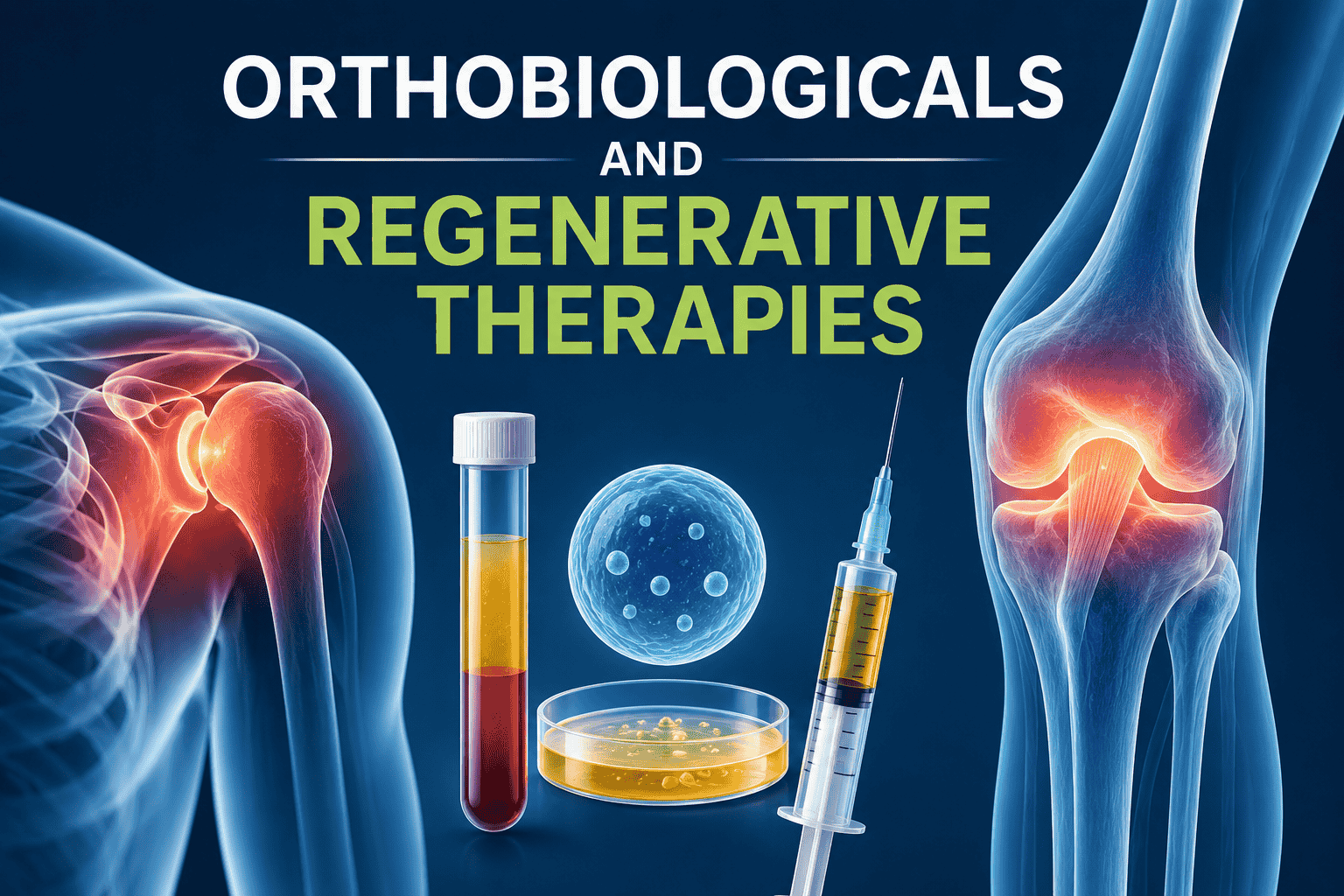
Orthobiologicals and Regenerative Therapies
Orthobiologicals and Regenerative Therapies in Bangalore
Quick Appointment
Supporting Natural Healing Through Personalized Orthobiological Care
Orthobiologicals and regenerative therapies are evolving approaches in orthopaedic and sports medicine that aim to support the body's natural healing environment. Depending on the diagnosis, these treatments may be considered for selected problems involving the knee, shoulder, tendons, ligaments, cartilage and other musculoskeletal tissues.
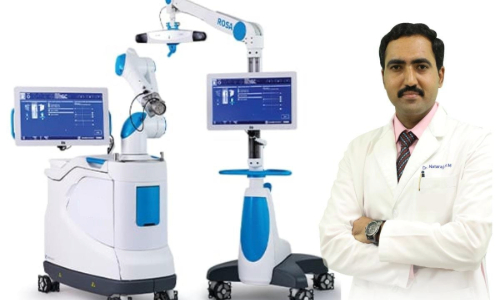
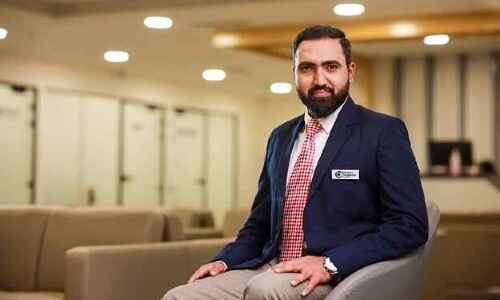
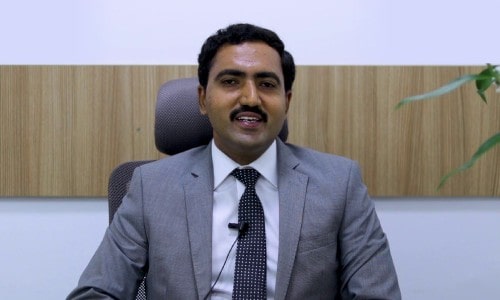
At Knee & Shoulder Clinic in Bangalore, Dr. Nataraj H M evaluates each patient individually before recommending an orthobiological or regenerative treatment. His approach considers the patient's symptoms, physical examination, imaging findings, activity level, previous treatment and overall treatment goals rather than recommending a biological treatment simply because pain is present.
Dr. Nataraj H M is a Knee & Shoulder Specialist in Bangalore with 17 years of experience in orthopaedics. His training includes MBBS from Kempegowda Institute of Medical Sciences, MS in Orthopedics from K S H Medical Academy, fellowship training in advanced knee and shoulder surgery in Italy, fellowship training in arthroscopy and sports medicine through ISAKOS, and fellowship training in computer-assisted joint replacement. The clinic website also highlights his work involving clinical stem-cell therapy in orthopaedics.
What Are Orthobiological Treatments?
Orthobiological treatments use biological substances or biologically derived materials with the intention of supporting tissue healing and recovery. They may be considered in selected orthopaedic conditions when the treating specialist believes that they have a potential role.
Depending on the clinical indication, orthobiological approaches may include:
- Platelet-rich plasma (PRP) therapy
- Autologous blood-derived treatments
- Selected bone marrow-derived preparations
- Prolotherapy
- Other biologically derived treatments considered appropriate for a particular condition
The Best Orthopedic Doctor in Bangalore for a particular patient is not determined simply by the availability of regenerative treatment. A proper diagnosis is essential because the effectiveness and suitability of each approach can vary according to the underlying condition.
What Are Regenerative Therapies?
Regenerative medicine in orthopaedics focuses on approaches intended to support the body's repair environment and improve musculoskeletal function. These therapies may form part of a broader treatment strategy rather than being used as an isolated solution.
At the Knee & Shoulder Clinic in Bangalore, regenerative or biological approaches may be considered in selected cases involving:
- Persistent tendon-related problems
- Certain ligament injuries
- Selected cartilage conditions
- Joint pain and degenerative joint problems
- Sports-related injuries
- Certain soft-tissue injuries
- Some overuse-related conditions
The clinic's broader orthopaedic approach includes joint preservation and nonsurgical management, which can be important when the objective is to preserve joint function and avoid unnecessary invasive treatment.
How Can Orthobiological Treatments Help?
The potential purpose of an orthobiological treatment depends on the patient's diagnosis and the biological treatment being considered.
Pain and symptom management
Some patients may experience improvement in pain as the underlying musculoskeletal problem is managed. The expected response varies and should not be presented as guaranteed.
Support for tissue recovery
Biological treatments may be considered with the aim of supporting the body's healing response in selected tendon, ligament, joint or soft-tissue conditions.
Improved function
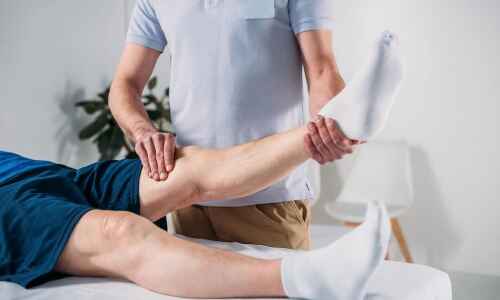
When pain and movement limitations improve, treatment may be combined with rehabilitation to help patients gradually regain strength, mobility and activity.
Joint preservation
For appropriately selected patients, regenerative approaches may form part of a joint preservation treatment strategy alongside physiotherapy, exercise, activity modification and other evidence-based treatments.
Potential non-surgical option
In certain situations, an orthobiological treatment may be considered before surgery. However, it does not replace surgery when there is a structural problem that requires operative treatment.
Who May Be Considered for Orthobiological Therapy?
Orthobiological therapy is not appropriate for everyone. A specialist assessment is necessary to determine whether the treatment has a reasonable role in a particular condition.
Dr. Nataraj H M may consider factors such as:
- Location and duration of symptoms
- Type and severity of the injury
- Joint or tissue involved
- Clinical examination findings
- MRI, X-ray or ultrasound findings
- Previous medications, physiotherapy or procedures
- Sporting and occupational requirements
- General health
- Previous response to treatment
- Individual recovery goals
This personalized assessment is particularly important for patients searching for knee pain treatment in Bangalore, sports injury care or joint-preserving treatment because similar symptoms can have very different underlying causes.
PRP Therapy
Platelet-rich plasma, commonly known as PRP, is prepared from a patient's own blood. A blood sample is processed to concentrate platelets and other blood components before the preparation is applied to the selected treatment area when clinically appropriate.
PRP has been investigated for various musculoskeletal conditions, particularly certain tendon and joint-related problems. However, results can differ according to the condition, patient characteristics, preparation method and treatment protocol.
For this reason, PRP should be considered as a treatment option for selected patients rather than a guaranteed cure for every joint or soft-tissue problem.
Prolotherapy
Prolotherapy is another injection-based approach used in selected musculoskeletal conditions. The clinic describes prolotherapy as a procedure in which a natural irritant is injected into soft tissue around an injured joint.
Whether prolotherapy is appropriate depends on the diagnosis, location of the problem, tissue involved and the patient's overall treatment plan. A specialist evaluation is important before deciding whether this approach is suitable.
Stem Cell-Based Approaches in Orthopaedics
Stem-cell-based approaches are an area of continuing interest in regenerative medicine. The website of Dr. Nataraj H M highlights his work in clinical stem-cell therapy related to orthopaedic conditions, including research and clinical work involving umbilical-cord stem cells.
However, patients should understand that regenerative medicine is not a single treatment and that outcomes can vary considerably between conditions and treatment approaches. A consultation should establish whether a particular biological treatment has an appropriate role rather than assuming that stem-cell treatment is suitable for every patient.
What Happens During an Orthobiological Treatment Assessment?
1. Clinical evaluation
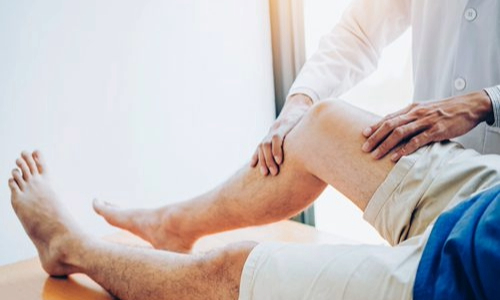
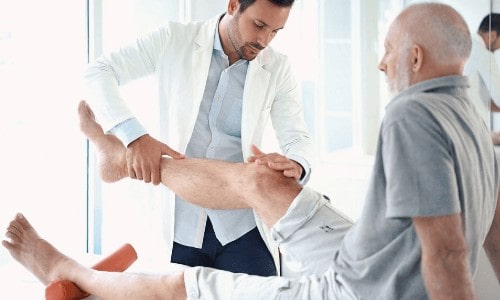
Dr. Nataraj H M reviews the patient's symptoms, medical history, previous treatment and physical findings.
2. Imaging review
Relevant MRI, X-ray, ultrasound or other imaging may be reviewed when necessary to understand the underlying structural problem.
3. Diagnosis and treatment selection
The treatment recommendation is based on the diagnosis rather than simply on the presence of pain. Orthobiological therapy may be recommended only when considered clinically appropriate.
4. Discussion of alternatives
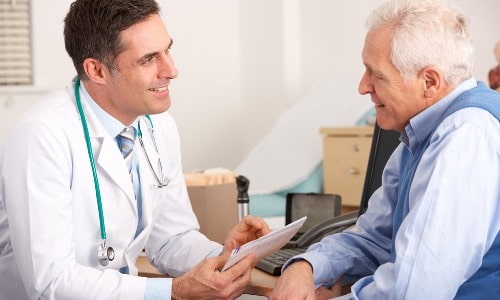
Patients can discuss non-surgical management, physiotherapy, exercise therapy, activity modification, medication, injections or surgical options depending on their condition.
5. Treatment and rehabilitation
If an orthobiological procedure is selected, the biological preparation is administered to the intended treatment area using an appropriate clinical technique. Depending on the condition, rehabilitation may include physiotherapy, strengthening, mobility exercises and gradual return to activity.
Orthobiological Therapy vs Conventional Orthopaedic Treatment
Orthobiological treatments should not automatically be considered replacements for established orthopaedic care.
Depending on the diagnosis, treatment may involve:
- Physiotherapy
- Exercise-based rehabilitation
- Activity modification
- Medication
- Injection-based treatment
- Joint preservation procedures
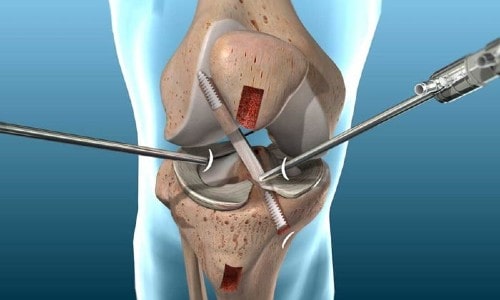
- Arthroscopy
- Ligament reconstruction
- Joint replacement
- Other surgical or non-surgical treatments
Dr. Nataraj H M's website describes an evidence-based approach and highlights nonsurgical management, joint preservation, arthroscopy, sports injury treatment and joint replacement as part of his broader orthopaedic practice.
Can Regenerative Therapy Prevent Surgery?
In selected cases, biological treatment may be considered as part of a non-surgical treatment strategy. However, it cannot be expected to prevent surgery in every patient.
For example, a patient with a significant structural injury, advanced joint damage or another condition requiring surgical correction may need an operative procedure. The appropriate treatment depends on the diagnosis and severity of the problem.
A consultation with a Knee & Shoulder Specialist in Bangalore can help determine whether regenerative treatment, joint preservation, rehabilitation or surgery is more appropriate.
Why Choose a Personalized Orthobiological Approach?
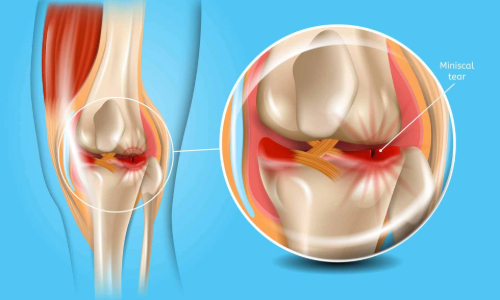
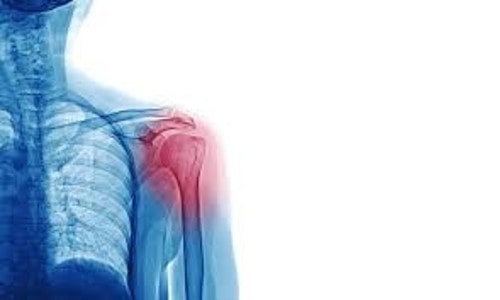
Musculoskeletal pain does not have a single cause. Knee pain may arise from arthritis, cartilage damage, meniscus injury, ligament problems, tendon disorders or sports-related trauma. Similarly, shoulder pain can be associated with rotator cuff problems, instability, arthritis, frozen shoulder or other conditions.
Therefore, selecting a regenerative treatment without first identifying the cause of symptoms may not provide the expected benefit.
Dr. Nataraj H M's practice focuses on diagnosis-led orthopaedic care, including knee and shoulder surgery, arthroscopy, sports injuries, joint preservation and nonsurgical management. His website also notes training in India and abroad and an evidence-based approach to treatment.
Why Consult Dr. Nataraj H M for Orthobiological Treatment in Bangalore?
Dr. Nataraj H M is an experienced orthopaedic surgeon specializing in knee and shoulder conditions. According to the clinic website, he has 17 years of orthopaedic experience and has trained in advanced knee and shoulder surgery, arthroscopy, sports medicine and computer-assisted joint replacement.
His clinical focus includes:
- Knee and shoulder disorders
- Arthroscopy
- Sports injury treatment
- Ligament injuries
- Joint replacement
- Joint preservation
- Fracture management
- Nonsurgical orthopaedic care
- Orthobiological and regenerative approaches
This broad experience allows treatment decisions to be made in the context of the patient's complete orthopaedic condition rather than viewing regenerative therapy as a standalone solution.
Orthobiological and Regenerative Therapy in Carmelram, Sarjapur Road, Bangalore
Patients looking for orthobiological treatment in Bangalore can consult Dr. Nataraj H M at his clinic listed at:
5 Sports Health
Site No. 40 & 41, 1st Floor, MPS Building
Ambedkar Nagar, Mullur, Sarjapur Road
Carmelram, Bangalore, Karnataka – 560035
The clinic lists working hours from Monday to Saturday, 3:00 PM to 8:00 PM.
Frequently Asked Questions About Orthobiological and Regenerative Therapies
1. Is orthobiological treatment suitable for knee arthritis?
Orthobiological treatment may be considered for selected patients with knee-related conditions, but suitability depends on the severity and type of joint problem. A Knee Specialist in Bangalore should evaluate the diagnosis, imaging and previous treatment before recommending a biological approach.
2. Can PRP be considered for a sports-related tendon injury?
PRP may be considered for certain tendon and sports-related musculoskeletal problems. Dr. Nataraj H M's practice includes sports injury treatment in Bangalore, but the decision to use PRP depends on the specific tendon injury, its severity and the patient's clinical findings.
3. What is the difference between PRP and prolotherapy?
PRP uses concentrated components obtained from the patient's own blood, whereas prolotherapy involves injecting a solution intended to stimulate a local healing response. The appropriate option depends on the diagnosis and treatment objective rather than simply choosing one treatment over another.
4. Can regenerative treatment be used for shoulder problems?
Selected shoulder conditions may be evaluated for biological treatment, depending on the underlying problem. A Shoulder Specialist in Bangalore can determine whether the symptoms are related to a tendon, ligament, joint or another structural issue before recommending treatment.
5. Does every patient with joint pain need stem cell therapy?
No. Stem-cell-based treatment is not automatically appropriate for every patient with joint pain. A detailed orthopaedic assessment is necessary to determine whether a regenerative approach has a meaningful role or whether another treatment would be more appropriate.
6. Can orthobiological treatment be combined with physiotherapy?
Yes, rehabilitation may form an important part of the overall treatment plan. Depending on the condition, physiotherapy, strengthening, mobility exercises and activity modification may be used alongside or following an orthobiological procedure.
7. Can regenerative therapy be considered before knee replacement?
In selected patients, non-surgical and joint preservation treatment in Bangalore may be considered before joint replacement. However, advanced structural damage may still require knee replacement, so treatment should be based on the actual condition of the joint rather than delaying necessary surgery.
8. How does a doctor decide whether PRP or another biological treatment is appropriate?
The decision may involve the patient's symptoms, examination findings, imaging, tissue involved, previous treatments, activity requirements and overall health. This diagnostic approach helps the orthopaedic surgeon in Bangalore determine whether an orthobiological treatment is appropriate or whether another option is more suitable.
9. Are regenerative treatments an alternative to ligament surgery?
Not necessarily. Certain ligament injuries may be managed non-surgically in appropriately selected cases, while complete or unstable injuries may require reconstruction. A specialist assessment is needed to determine whether biological treatment, rehabilitation or ligament surgery in Bangalore is appropriate.
10. Where can I consult for orthobiological treatment in Bangalore?
Patients seeking orthobiological treatment in Bangalore can consult Dr. Nataraj H M at his clinic in Carmelram, Sarjapur Road, Bangalore. The consultation can help determine whether PRP, prolotherapy, another regenerative approach, rehabilitation or conventional orthopaedic treatment is appropriate for the individual's condition.
Expert Orthopaedic Evaluation Before Regenerative Treatment
Orthobiological and regenerative therapies can be valuable treatment options for selected musculoskeletal conditions, but they should not be promoted as universal cures. Correct diagnosis, patient selection, realistic expectations and appropriate rehabilitation are essential parts of responsible treatment.
If you are experiencing persistent knee, shoulder, tendon, ligament or sports-related symptoms, an evaluation by Dr. Nataraj H M, Knee & Shoulder Specialist in Bangalore, can help identify the underlying problem and determine whether an orthobiological approach has a suitable role in your treatment plan.