How to Maintain Joint Health: Tips for Healthy Knees and Shoulders
How to Maintain Joint Health: Tips for Healthy Knees and Shoulders
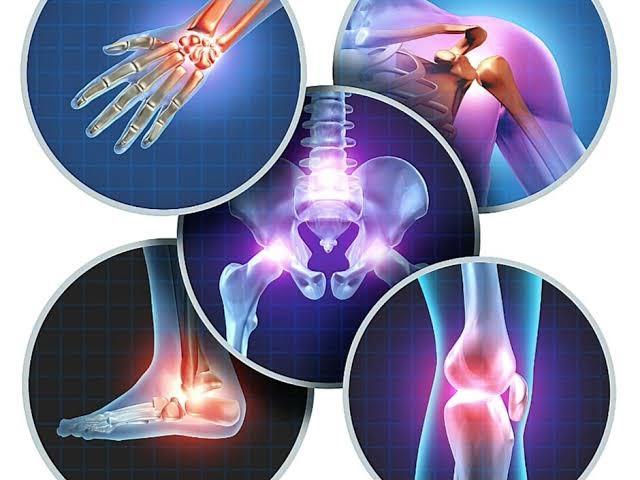
Joint health is crucial for maintaining an active and pain-free lifestyle. Our knees and shoulders, being two of the most commonly used joints, often endure stress from daily activities, exercise, and even our posture. While wear and tear are natural as we age, there are many ways to keep your joints healthy and reduce the risk of injury or chronic pain.
As a knee and shoulder specialist, Dr. Nataraj H.M offers valuable insights into how you can maintain the health of these essential joints. Here are some practical tips for keeping your knees and shoulders in optimal condition.
- Maintain a Healthy Weight
Carrying excess weight puts added pressure on your knee joints, which can lead to premature wear, increased pain, and even conditions like osteoarthritis. Every pound of weight lost can relieve up to four pounds of pressure on the knees. Similarly, excess weight can strain the shoulder muscles and joints, increasing the risk of injury.
Tip: Maintain a healthy, balanced diet rich in nutrients to control your weight, and aim to incorporate regular physical activity. - Incorporate Low-Impact Exercises
Engaging in regular physical activity strengthens the muscles around your joints, improving their stability and function. However, not all exercises are joint-friendly. High-impact exercises such as running and jumping can increase wear and tear on your knees and shoulders. Opt for low-impact exercises like swimming, cycling, or walking, which allow you to stay active without stressing your joints.
Tip: Consider activities such as swimming, yoga, or resistance training that strengthen the surrounding muscles without putting too much strain on your knees or shoulders. - Strengthen Your Core and Supporting Muscles
Strong muscles, particularly the quadriceps, hamstrings, and glutes, help support your knees. Likewise, strong shoulder muscles can improve stability and reduce the risk of dislocations or injuries. Strengthening your core and hip muscles is equally important for better posture and joint alignment, reducing stress on both the knees and shoulders.
Tip: Regular strength training exercises such as lunges, squats, and resistance band workouts can help improve muscle support around your joints. - Improve Flexibility and Range of Motion
Flexibility is key to preventing joint injuries. Limited flexibility in your muscles and tendons can lead to stiffness and increased stress on your joints. Stretching exercises improve the range of motion in your knees and shoulders, helping them function properly.
Tip: Incorporate dynamic and static stretching into your daily routine. For your shoulders, try shoulder rotations, and for your knees, hamstring and quadriceps stretches are beneficial. - Maintain Proper Posture
Poor posture can place additional stress on your shoulder joints and back, which over time, may lead to chronic pain or injury. Similarly, bad posture while standing or walking can negatively affect your knees and hips. Practicing good posture ensures that your joints are properly aligned, reducing unnecessary strain.
Tip: Ensure you maintain an upright posture, keep your shoulders back, and avoid slouching while sitting or standing. - Stay Hydrated
Cartilage, which cushions your joints, contains a high percentage of water. Dehydration can cause your cartilage to thin, increasing friction between bones and leading to joint pain. Keeping your body hydrated is important for joint lubrication and overall joint health.
Tip: Make it a habit to drink at least 8 glasses of water daily, and increase your intake during exercise. - Avoid Overuse and Repetitive Movements
Repetitive motions, such as excessive typing, throwing, or lifting, can strain your shoulder joints, leading to conditions like tendinitis or bursitis. Similarly, repetitive impact on your knees, especially from activities like running or jumping, can wear down the cartilage. Be mindful of the movements you make and give your joints rest when needed.
Tip: Take breaks between activities that require repetitive motion. Switch up your workouts and avoid overloading your joints with excessive weight. - Wear Proper Footwear
Wearing appropriate shoes provides necessary support for your knees and helps in proper alignment of the joints. Poor footwear can affect your posture, which may increase stress on your knees and hips, leading to long-term joint issues.
Tip: Choose footwear with good arch support and cushioning, especially during exercise or if you’re on your feet for extended periods. - Know When to Rest
While staying active is crucial for joint health, overexertion can lead to joint damage. If you experience discomfort or pain in your knees or shoulders, it’s essential to listen to your body and allow your joints to rest and recover. Overworking the joints without proper rest can lead to long-term damage.
Tip: Take a break from high-intensity activities when you feel pain, and consider incorporating rest days into your weekly exercise routine. - Consult a Specialist for Persistent Pain
If you experience ongoing pain, stiffness, or limited mobility in your knees or shoulders, it’s important to consult with a specialist. Early diagnosis and treatment can prevent further damage and help you maintain joint health in the long term.
Contact Dr. Nataraj H.M
As a leading knee and shoulder surgeon, Dr. Nataraj H.M specializes in diagnosing and treating various joint conditions. Whether you’re dealing with an acute injury or chronic pain, Dr. Nataraj H.M offers advanced treatment options to help you maintain healthy and pain-free joints.
For expert consultation, contact Dr. Nataraj H.M today: