Indications for Shoulder Arthroscopy
Indications for Shoulder Arthroscopy
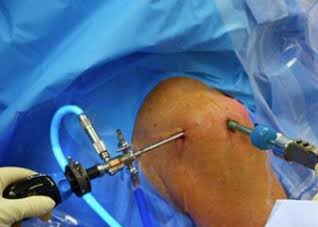
Shoulder arthroscopy is a minimally invasive surgical procedure used to diagnose and treat various shoulder conditions. It involves the use of a small camera, called an arthroscope, which is inserted into the shoulder joint through small incisions. This technique allows the surgeon to view the inside of the shoulder and perform necessary repairs. Here’s a detailed overview of the indications for shoulder arthroscopy.
Introduction
Shoulder arthroscopy has become a widely accepted method for treating numerous shoulder issues due to its minimally invasive nature, reduced recovery time, and lower risk of complications compared to open surgery. Understanding when shoulder arthroscopy is indicated can help patients make informed decisions about their treatment options.
Common Indications for Shoulder Arthroscopy
- Rotator Cuff Tears:
Description: Tears in the tendons of the rotator cuff, which help lift and rotate the arm.
Symptoms: Shoulder pain, weakness, and limited range of motion.
Treatment: Arthroscopy can be used to repair or debride torn tendons, improving function and reducing pain. - Shoulder Impingement Syndrome:
Description: Occurs when the tendons of the rotator cuff are compressed during shoulder movements.
Symptoms: Pain with overhead activities, night pain, and decreased strength.
Treatment: Arthroscopy can remove inflamed tissue and bone spurs, relieving pressure on the tendons. - Labral Tears:
Description: Tears in the labrum, the cartilage that stabilizes the shoulder joint.
Symptoms: Pain, instability, and clicking or catching sensations in the shoulder.
Treatment: Arthroscopy can repair or remove the damaged labrum to restore stability and reduce pain. - Shoulder Instability:
Description: Recurrent dislocations or subluxations of the shoulder joint.
Symptoms: Feeling of the shoulder “giving way,” pain, and limited function.
Treatment: Arthroscopy can tighten the ligaments and repair torn tissues to stabilize the joint. - Frozen Shoulder (Adhesive Capsulitis):
Description: Stiffness and pain in the shoulder joint due to inflammation and thickening of the capsule.
Symptoms: Severe restriction in shoulder movement and chronic pain.
Treatment: Arthroscopy can release the tightened capsule and improve range of motion. - Arthritis:
Description: Degeneration of the shoulder joint due to wear and tear or inflammatory conditions.
Symptoms: Chronic pain, stiffness, and swelling.
Treatment: Arthroscopy can remove loose cartilage, smooth joint surfaces, and alleviate symptoms. - Biceps Tendonitis and Tears:
Description: Inflammation or tearing of the biceps tendon in the shoulder.
Symptoms: Pain in the front of the shoulder, weakness, and a popping sensation.
Treatment: Arthroscopy can repair or release the damaged tendon, reducing pain and restoring function. - Calcific Tendonitis:
Description: Calcium deposits in the tendons of the rotator cuff.
Symptoms: Intense shoulder pain, especially with movement, and restricted range of motion.
Treatment: Arthroscopy can remove the calcium deposits and alleviate symptoms. - Loose Bodies:
Description: Fragments of bone or cartilage that float within the shoulder joint.
Symptoms: Pain, catching or locking sensation, and decreased range of motion.
Treatment: Arthroscopy can remove the loose bodies, improving joint function and reducing pain. - Shoulder Fractures:
Description: Broken bones in the shoulder joint.
Symptoms: Severe pain, swelling, and deformity.
Treatment: Arthroscopy can assist in the fixation and repair of certain types of fractures, particularly those involving the joint surfaces.
Benefits of Shoulder Arthroscopy
- Minimally Invasive: Smaller incisions lead to less scarring and quicker recovery.
- Precision: Enhanced visualization allows for accurate diagnosis and treatment.
- Reduced Pain: Less post-operative pain compared to open surgery.
- Faster Recovery: Shorter hospital stays and quicker return to daily activities.
Risks and Complications
While shoulder arthroscopy is generally safe, potential risks include infection, bleeding, nerve injury, and stiffness. However, these complications are rare and can be minimized with proper surgical techniques and post-operative care.
Conclusion
Shoulder arthroscopy offers a highly effective treatment option for various shoulder conditions, providing relief from pain and improved function. If you are experiencing shoulder issues and believe you might benefit from shoulder arthroscopy, consulting with an experienced orthopedic surgeon is crucial.
For expert diagnosis and treatment, contact Dr. Nataraj H.M, a renowned orthopedic surgeon in Bangalore, known for his expertise in shoulder arthroscopy and other orthopedic procedures.
By seeking timely and professional care, you can ensure the best possible outcome for shoulder arthroscopy and recovery.